
Modern athletic facilities require surfaces that enhance performance, reduce injuries, and withstand constant use. Choosing the right flooring system is not simply about appearance; it directly affects safety standards, athlete comfort, and long-term operational costs. In the UAE, climate conditions and heavy indoor usage make flooring selection even more critical. From professional training centers to school sports halls, every environment demands tailored solutions that balance durability with shock absorption.
Facility owners are increasingly investing in specialized materials that meet international performance benchmarks. Whether the project involves a multi-purpose court or a high-intensity fitness studio, surface engineering plays a defining role. Understanding how sports flooring systems function helps decision-makers create safer, more efficient environments designed for both athletes and facility managers.
Benefits of Installing High-Performance Sports Flooring Systems in Commercial Facilities
High-performance sports flooring systems are engineered to deliver superior shock absorption and energy return. These characteristics help reduce fatigue during long training sessions while protecting joints from repetitive impact stress. Commercial facilities that install advanced sports flooring benefit from improved athlete performance and lower injury rates, which directly supports reputation and client satisfaction.
Another significant advantage is durability under constant foot traffic. Sports centers host daily training, competitions, and events, all of which place considerable strain on surfaces. Premium materials resist wear, maintain traction, and preserve structural integrity for years.
Key benefits include:
- Enhanced shock absorption to reduce joint stress
- Slip-resistant textures for improved safety
- High load-bearing capacity for equipment
- Long lifecycle with minimal structural degradation
- Compliance with international sports standards
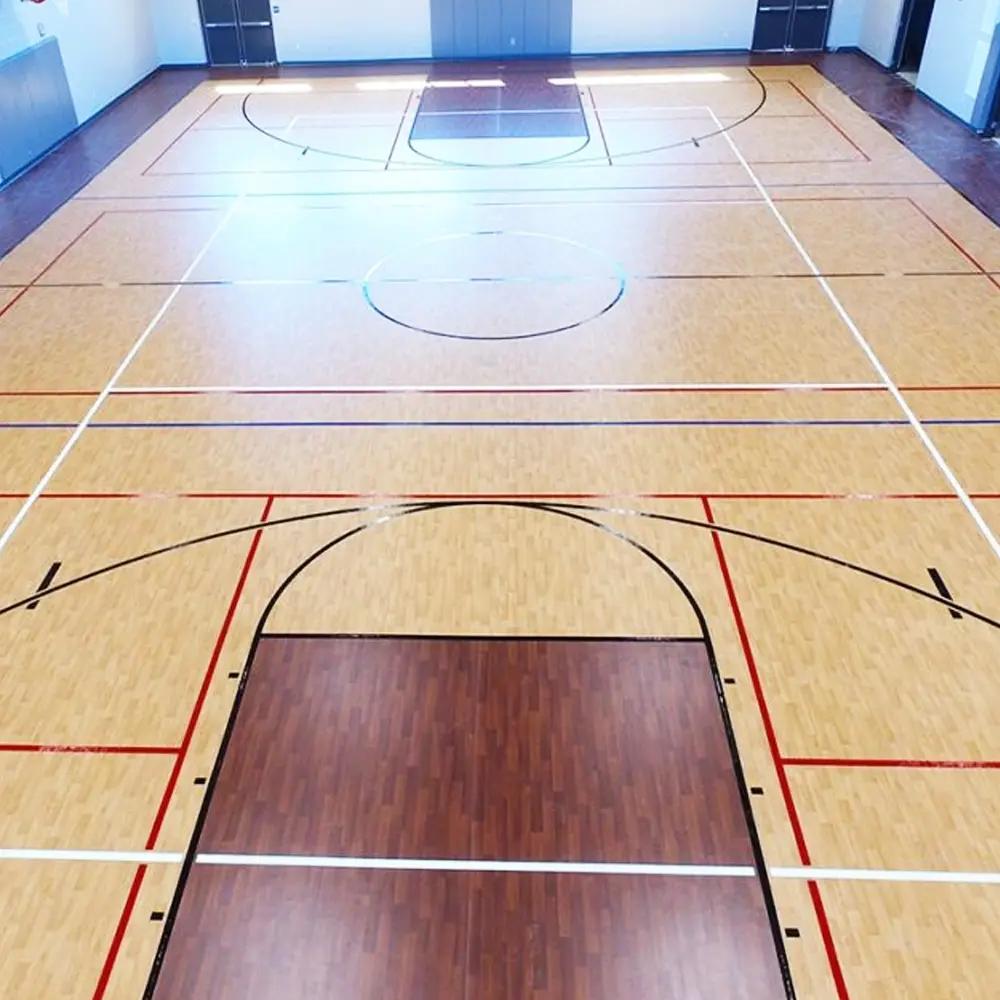
Furthermore, these systems are customizable. Color schemes, court markings, and surface finishes can align with branding requirements or specific sport regulations. This flexibility makes high-performance installations a strategic long-term investment for commercial sports operators.
Key Differences Between Indoor and Outdoor Sports Surface Materials in UAE Climate
The UAE’s hot climate significantly influences flooring performance. Indoor surfaces must withstand temperature fluctuations caused by air conditioning systems, while outdoor installations face direct sunlight, humidity, and sand exposure. Each environment demands specialized construction techniques and material compositions.
Indoor solutions typically prioritize cushioning layers and acoustic control. Multi-layered systems provide stability while absorbing impact. Facilities offering specialized training zones often integrate gym flooring dubai systems designed to handle heavy weights and constant movement without deformation.
Outdoor surfaces, in contrast, focus on UV resistance and drainage capabilities. Materials must resist fading and maintain grip under varying weather conditions. Additionally, expansion and contraction tolerance becomes essential to prevent cracking.
Selecting between indoor and outdoor materials involves evaluating:
- Exposure to sunlight and heat
- Moisture management requirements
- Expected traffic intensity
- Type of sporting activity
Understanding these differences ensures optimal performance, longevity, and compliance with safety regulations specific to the UAE environment.
How Shock Absorption and Slip Resistance Improve Athletic Performance Standards
Shock absorption is more than a comfort feature; it directly affects athletic longevity and performance consistency. Surfaces engineered with advanced cushioning systems minimize muscle fatigue and reduce the risk of stress-related injuries. Athletes benefit from controlled energy return, which supports better agility and faster recovery between movements.
Slip resistance is equally critical. High-traction surfaces prevent sudden falls while allowing dynamic movement. In competitive settings, even minor instability can compromise results. That is why modern sports flooring uae systems integrate specialized top layers designed to balance grip and glide.
Performance-focused surfaces provide:
- Consistent bounce for ball sports
- Stable footing during rapid directional changes
- Reduced vibration transmission
- Improved athlete confidence
When flooring performs reliably, athletes can focus entirely on technique and strategy. Facilities that invest in these standards not only enhance safety but also elevate overall training quality. Over time, consistent surface performance contributes to measurable improvements in athlete output and long-term health outcomes.
Choosing the Right Flooring Thickness for Multi-Purpose Training Areas
Thickness selection plays a fundamental role in surface functionality. Different sports require varying levels of cushioning and structural stability. For example, weightlifting zones demand thicker layers to absorb heavy impacts, while basketball courts prioritize consistent ball response.
Multi-purpose areas must balance these competing requirements. Designers often choose modular systems with adaptable underlayers that distribute weight evenly. Proper thickness also prevents subfloor damage, which can be costly to repair.
Factors to evaluate include:
- Type of activities performed
- Frequency of use
- Equipment load weight
- Subfloor condition
- Budget constraints
In addition, compliance with international safety guidelines ensures athletes receive adequate impact protection. Consulting flooring specialists helps determine the optimal configuration that meets performance expectations while staying within financial limits. Strategic thickness planning enhances durability and prevents premature surface deterioration.
Maintenance Strategies to Extend the Lifespan of Professional Sports Floors
Routine maintenance is essential for preserving surface performance and appearance. Even high-grade systems require consistent cleaning to prevent debris accumulation that could compromise traction. Dust and sand particles are particularly common challenges in the UAE, making regular upkeep indispensable.
Effective maintenance practices include:
- Daily dry mopping to remove loose particles
- Weekly damp cleaning with manufacturer-approved solutions
- Immediate removal of spills
- Periodic inspection for surface damage
- Scheduled professional deep cleaning
Additionally, monitoring humidity levels inside indoor facilities helps prevent material expansion or contraction. Proactive care not only extends lifespan but also maintains warranty validity. When facilities adopt structured maintenance schedules, they protect their investment and ensure athletes continue to train on safe, high-performance surfaces.
Conclusion
Selecting the right sports flooring system is a strategic decision that influences safety, performance, and long-term cost efficiency. From shock absorption to climate resistance, each technical detail contributes to the overall functionality of a facility. In the UAE, where environmental conditions add complexity, tailored solutions become even more important.
By evaluating material specifications, thickness requirements, and maintenance strategies, facility owners can create high-performing environments that support athletes at every level. Investing in advanced sports flooring ultimately translates into safer spaces, improved performance standards, and sustained operational success.
FAQs
What is the best flooring for indoor sports courts?
Indoor courts benefit from multi-layer systems that provide shock absorption, slip resistance, and consistent ball bounce. Materials should comply with international athletic standards.
How long does professional sports flooring last?
With proper maintenance, high-quality installations can last 10 to 20 years depending on usage intensity and environmental conditions.
Is shock absorption necessary for gym facilities?
Yes, shock absorption reduces joint stress and minimizes injury risk, particularly in high-impact activities such as basketball or aerobics.
Can sports flooring handle heavy equipment loads?
Specialized gym surfaces are engineered to support heavy weights without cracking or permanent indentation.
What maintenance is required for sports surfaces?
Routine cleaning, humidity control, and periodic inspections ensure longevity and maintain optimal safety conditions.