
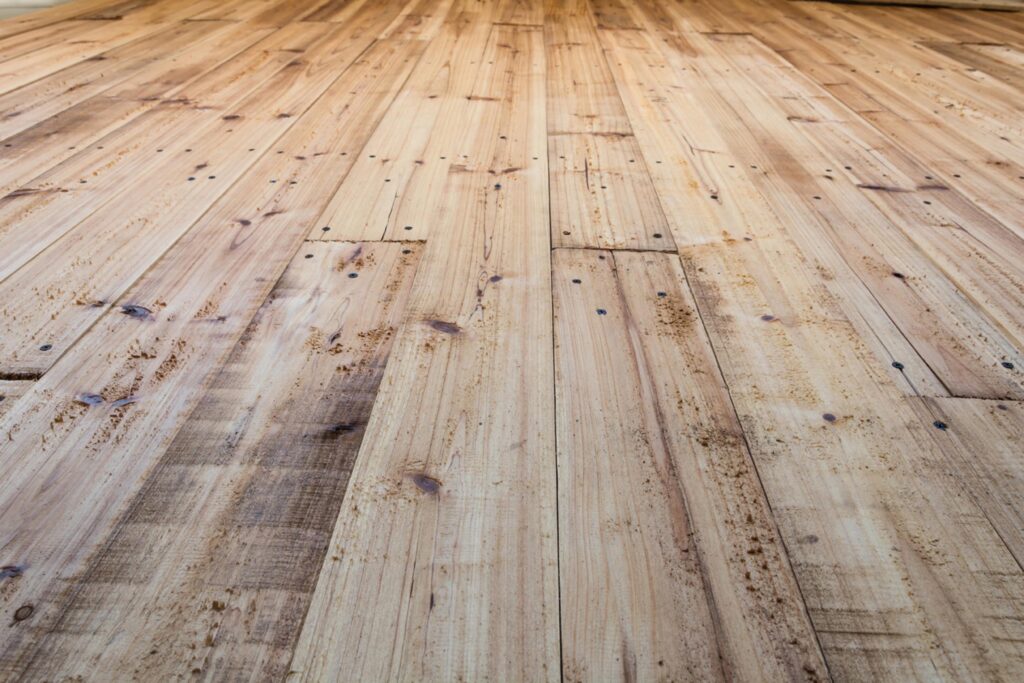
Interior spaces are shaped by more than furniture and wall colors. Flooring plays a major role in defining the appearance, comfort, and practicality of a room. Whether in homes, offices, or hospitality spaces, the right flooring can create a lasting visual impact while improving daily functionality.
Modern interior design increasingly focuses on combining durability with aesthetics. From moisture-resistant surfaces to decorative wall solutions, flooring choices now influence the overall atmosphere of a property. Many homeowners and designers explore innovative materials that offer both style and long-term reliability.
Understanding How Professional Flooring Solutions Transform Modern Interiors
Flooring affects how a room feels visually and physically. Light-colored floors can make smaller rooms appear more spacious, while textured finishes add depth and warmth. Modern flooring systems also help reduce noise and improve comfort underfoot.
Professionally planned flooring layouts contribute to:
- Better traffic flow
- Improved lighting reflection
- Easier cleaning routines
- Enhanced durability in busy spaces
- Greater consistency in interior design themes
Many designers now integrate flooring into the earliest stages of interior planning because it establishes the foundation for the entire space.
In many projects, homeowners explore flooring companies in dubai to understand how different flooring materials influence comfort and long-term maintenance.
Key Differences Between Residential and Commercial Flooring Materials
Residential and commercial spaces require different flooring characteristics. Homes often prioritize comfort and appearance, while commercial areas demand stronger wear resistance and easier maintenance.
Residential flooring typically includes:
- Softer textures
- Decorative finishes
- Warm color palettes
- Noise-reducing materials
Commercial flooring generally focuses on:
- Heavy-duty durability
- Slip resistance
- High traffic performance
- Minimal maintenance needs
The intended use of a room strongly influences which material performs best over time.
Important Factors to Consider Before Selecting Durable Flooring Options
Choosing flooring involves more than selecting a color or pattern. Environmental conditions, room usage, and maintenance expectations all matter.
Key considerations include:
- Moisture exposure
- Foot traffic intensity
- Cleaning requirements
- Indoor temperature variations
- Resistance to scratches and stains
- Visual compatibility with existing décor
Families with children or pets often prefer materials that resist scratches and spills. Meanwhile, minimalist interiors may focus on seamless finishes that create a clean and open appearance.
Why Moisture Resistance Matters in Hot and Humid Environments
Humidity and heat can significantly impact flooring durability. Moisture may cause swelling, warping, or surface damage if materials are not properly designed for such conditions.
Moisture-resistant flooring offers several benefits:
- Greater structural stability
- Lower risk of mold growth
- Easier cleaning
- Reduced long-term maintenance
- Better durability in kitchens and bathrooms
In warmer climates, selecting water-resistant flooring is especially important because temperature fluctuations can gradually weaken certain materials.
Long-Term Maintenance Expectations for Different Flooring Surfaces
Every flooring material requires some level of maintenance. However, maintenance intensity varies greatly depending on the surface type.
For example:
- Tile floors usually require grout cleaning
- Wooden surfaces may need refinishing
- Vinyl flooring often requires simple sweeping and mopping
- Stone floors benefit from occasional sealing
Consistent care extends the lifespan of flooring and helps preserve its appearance over time.
Many contemporary interiors also combine wall treatments with flooring to create visual continuity. Decorative solutions such as marble wall panels are increasingly used to complement elegant floor finishes and enhance overall design balance.
Common Interior Design Styles That Match Contemporary Flooring Trends
Modern interiors often rely on flooring to reinforce a specific design style. Different materials naturally align with certain aesthetics.
Popular combinations include:
Minimalist Interiors
- Seamless finishes
- Neutral color palettes
- Matte textures
Scandinavian Design
- Light wood tones
- Natural textures
- Warm and airy layouts
Industrial Spaces
- Concrete-inspired surfaces
- Dark finishes
- Textured materials
Luxury Contemporary Design
- Glossy surfaces
- Large-format tiles
- Decorative wall integration
The right flooring creates harmony between furniture, lighting, and architectural details.
How Wall Cladding and Flooring Work Together in Interior Spaces
Walls and floors should complement one another rather than compete visually. Coordinating textures and tones creates a cohesive environment.
For example:
- Wooden floors pair well with textured wall finishes
- Stone-look floors complement smooth wall surfaces
- Neutral flooring balances decorative wall patterns
Designers often use consistent color schemes across floors and walls to create a more spacious and unified interior appearance.
Benefits of Waterproof Flooring Systems for Busy Family Homes
Busy households require flooring that can handle spills, movement, and constant activity. Waterproof systems have become increasingly popular because they simplify maintenance while improving durability.
Advantages include:
- Resistance to accidental spills
- Easier cleaning routines
- Greater durability in kitchens and entryways
- Improved protection against humidity
- Reduced long-term repair concerns
Families seeking practical flooring solutions frequently consider wpc flooring because of its balance between comfort, water resistance, and durability.
Conclusion
Modern flooring plays a central role in shaping interior spaces. Beyond appearance, flooring affects comfort, maintenance, durability, and overall functionality. Carefully selected materials can improve daily living while supporting long-term interior performance.
As interior trends continue evolving, homeowners increasingly prioritize flooring solutions that combine practicality with visual appeal. From moisture resistance to design flexibility, flooring remains one of the most influential elements in modern interior design.
FAQs
What flooring type lasts the longest in hot climates?
Materials with moisture resistance and strong dimensional stability generally perform best in hot climates. Proper installation also improves durability.
Why is waterproof flooring becoming more popular?
Waterproof flooring simplifies maintenance, resists moisture damage, and performs well in kitchens, bathrooms, and busy households.
How can wall panels improve interior aesthetics?
Wall panels add texture, depth, and visual interest while helping create cohesive interior themes.
What are the easiest flooring materials to maintain?
Vinyl, certain tile surfaces, and waterproof composite flooring are often easier to clean and maintain.
Which flooring styles work best for modern interiors?
Minimalist wood finishes, seamless surfaces, and neutral-toned flooring remain highly popular in contemporary interiors.