
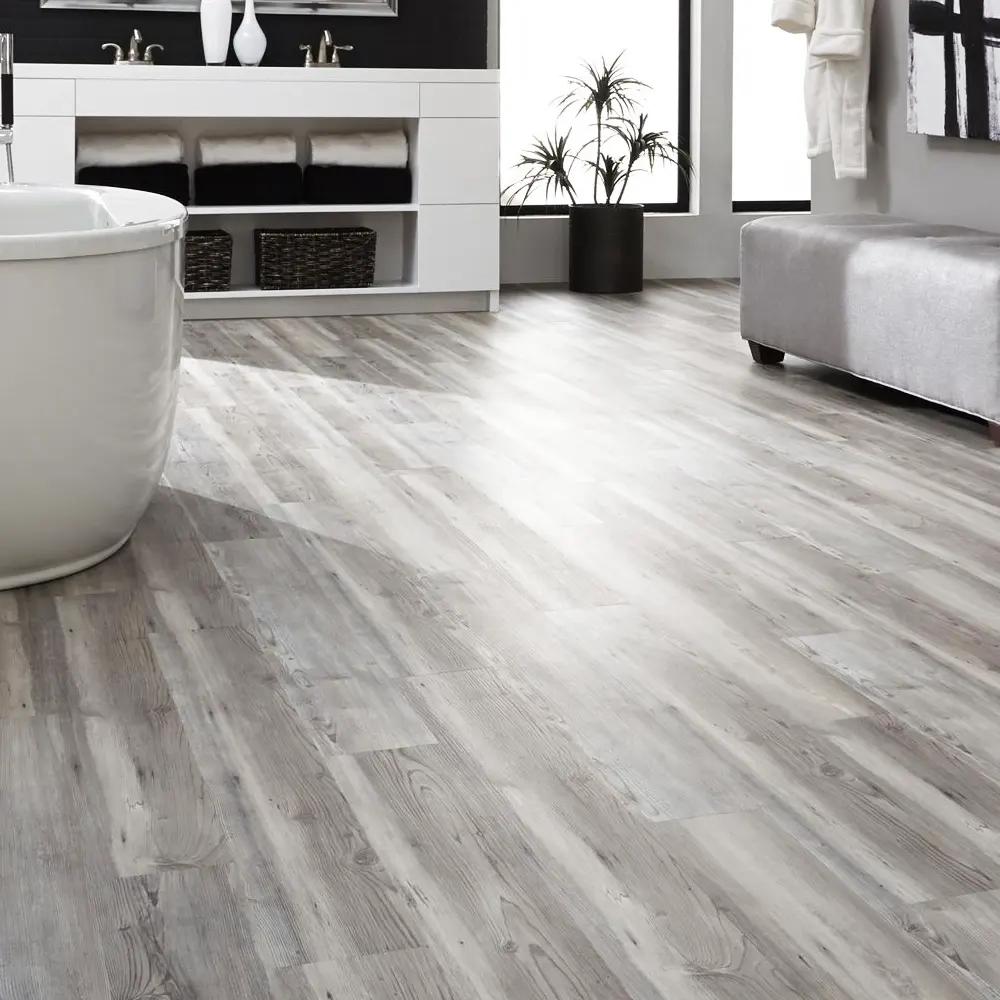
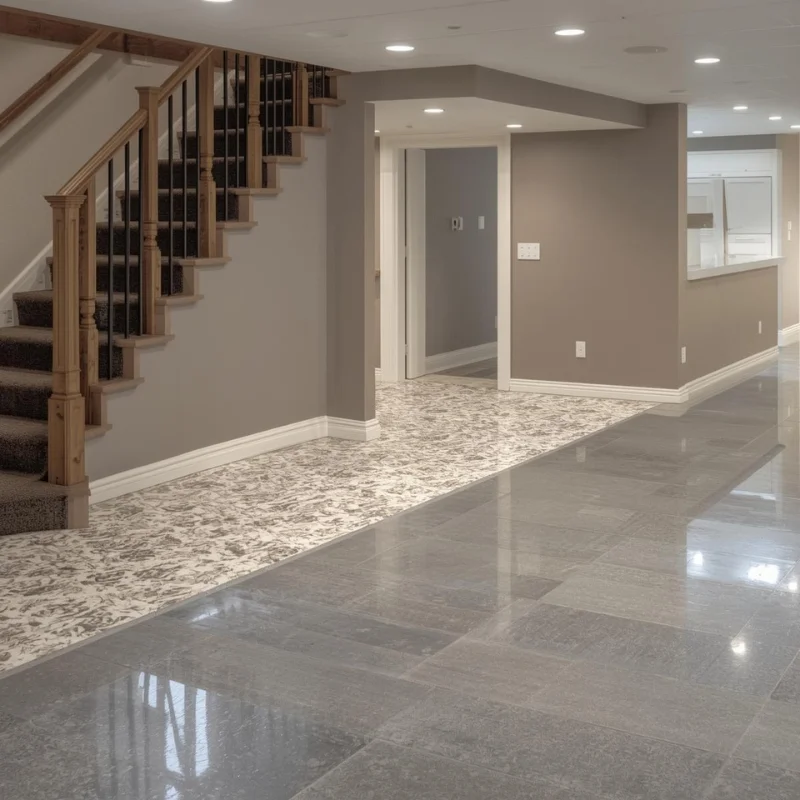
Epoxy flooring has become a leading solution for both residential and commercial properties seeking durability, visual appeal, and long-term performance. Modern construction trends demand surfaces that withstand heavy use while maintaining a polished appearance. Epoxy systems answer this demand by creating a seamless protective layer over concrete substrates.
Homeowners value epoxy for garages, basements, and kitchens, while businesses rely on it for retail stores, warehouses, and office environments. Its resistance to wear, chemicals, and moisture makes it suitable for diverse applications. Beyond strength, epoxy flooring offers aesthetic versatility, including glossy finishes and decorative textures.
Understanding how epoxy performs in high-traffic environments, how it is structured, and how it integrates with other materials helps property owners make informed decisions. With proper installation and maintenance, epoxy floors provide a cost-effective and visually impressive surface solution.
Advantages of Epoxy Floor Coatings in High-Traffic Areas
High-traffic areas experience constant pressure from footfall, equipment movement, and daily operational activities. A professionally installed epoxy floor creates a hardened surface that significantly increases the durability of concrete substrates. This makes it ideal for shopping centers, showrooms, schools, and industrial units.
One of the primary advantages is impact resistance. Unlike ceramic tiles that can crack under stress, epoxy forms a continuous surface that distributes weight evenly. This reduces the likelihood of surface fractures and structural damage over time.
Additional benefits include:
- Strong resistance to abrasions and scratches
- Slip-resistant textures for enhanced safety
- Chemical and stain resistance
- Seamless design that prevents dirt accumulation
- Improved light reflectivity for brighter interiors
Furthermore, epoxy flooring reduces maintenance frequency. Because it is non-porous, spills remain on the surface rather than penetrating into the concrete. This simplifies cleaning and preserves hygiene standards. In demanding environments, epoxy coatings consistently outperform conventional flooring materials.
Understanding the Structure of Epoxy Resin Flooring Systems
To fully appreciate its performance, it is important to understand how epoxy flooring systems are built. A complete epoxy resin flooring system typically consists of multiple layers applied over prepared concrete. Each layer serves a distinct purpose in reinforcing durability and enhancing adhesion.
The system usually includes:
- Surface preparation through grinding or shot blasting
- Primer application to improve bonding
- Base epoxy coat for structural strength
- Optional decorative or aggregate layer
- Protective topcoat for enhanced resistance
The primer penetrates the concrete surface, sealing pores and preventing moisture-related issues. The base coat adds thickness and durability, while the topcoat protects against UV exposure, chemicals, and abrasion.
This layered approach ensures structural integrity and long-term performance. Because the system chemically bonds to concrete, it becomes part of the surface rather than simply sitting on top. As a result, epoxy flooring provides exceptional stability and longevity for both homes and commercial facilities.
How WPC Decking Complements Modern Outdoor Designs
While epoxy flooring excels indoors, outdoor areas require materials that tolerate environmental exposure. Integrating wpc decking with epoxy-coated indoor spaces creates a cohesive design transition between interior and exterior zones.
WPC decking, made from wood-plastic composite, offers moisture resistance and dimensional stability. It does not warp or splinter like natural timber, making it suitable for patios, balconies, and garden walkways. When paired with epoxy interiors, it provides a consistent modern aesthetic.
Key advantages of combining materials include:
- Seamless indoor-outdoor design continuity
- Weather-resistant performance
- Reduced maintenance compared to natural wood
- Enhanced visual contrast between zones
- Long-term structural stability
Moreover, WPC decking withstands heat and humidity, which are common challenges in many climates. By selecting complementary materials, property owners can create integrated spaces that maintain durability without sacrificing style.
Installation Process and Surface Preparation Explained
Proper installation determines the overall success of an epoxy flooring project. Surface preparation is the most critical stage, as epoxy requires a clean and mechanically profiled substrate to ensure strong adhesion. Skipping this step can lead to peeling or bubbling.
The installation process typically involves mechanical grinding to remove contaminants and create surface roughness. Any cracks or imperfections are repaired before applying primer. Moisture testing is also essential to prevent future bonding issues.
The core stages include:
- Surface cleaning and degreasing
- Mechanical grinding or shot blasting
- Crack filling and leveling
- Primer application
- Layered epoxy coating and curing
Each layer must cure properly before the next is applied. Environmental conditions such as temperature and humidity are carefully monitored to ensure optimal results.
Professional installation ensures uniform thickness, smooth finish, and structural integrity. When executed correctly, the flooring system becomes a durable and seamless extension of the concrete base.
Cost Factors That Influence Epoxy Flooring Projects
The cost of epoxy flooring varies depending on several influencing factors. Surface size, condition of the existing concrete, and chosen finish all impact overall pricing. Projects requiring extensive repairs or moisture mitigation typically involve higher preparation costs.
Material selection also plays a significant role. Decorative finishes, metallic effects, or specialized anti-slip coatings may increase expenses. However, these upgrades often enhance durability and long-term value.
Key cost considerations include:
- Square footage of the installation area
- Level of surface preparation required
- Thickness and number of epoxy layers
- Decorative or specialty finishes
- Labor and curing time
Although epoxy flooring may involve higher upfront investment compared to basic concrete sealing, its longevity reduces lifecycle costs. Minimal maintenance and extended durability make it a financially sound decision for property owners seeking long-term performance.
Conclusion
Epoxy floor systems offer a powerful combination of strength, versatility, and aesthetic appeal for both residential and commercial environments. Their seamless construction, resistance to wear, and adaptability to various applications make them a practical and modern flooring choice.
When paired with complementary outdoor materials and installed by professionals, epoxy floors deliver consistent performance over many years. From high-traffic commercial spaces to private homes, investing in epoxy technology enhances safety, cleanliness, and overall property value.
By understanding structure, installation requirements, and cost factors, property owners can confidently select flooring solutions that meet both functional and design expectations.
FAQs
What is the difference between epoxy floor and resin flooring?
Epoxy flooring is a type of resin flooring specifically formulated with epoxy polymers that create a strong, chemically bonded surface over concrete.
Is epoxy flooring waterproof?
Epoxy coatings are non-porous and highly resistant to moisture, making them suitable for areas prone to spills or humidity.
How durable is WPC decking outdoors?
WPC decking is engineered to resist moisture, UV exposure, and temperature changes, providing reliable outdoor performance.
Can epoxy floors be customized with colors?
Yes, epoxy systems offer various color options, metallic finishes, and decorative flakes for personalized design.
How long does installation take?
Most residential projects take a few days, depending on surface preparation and curing requirements.