
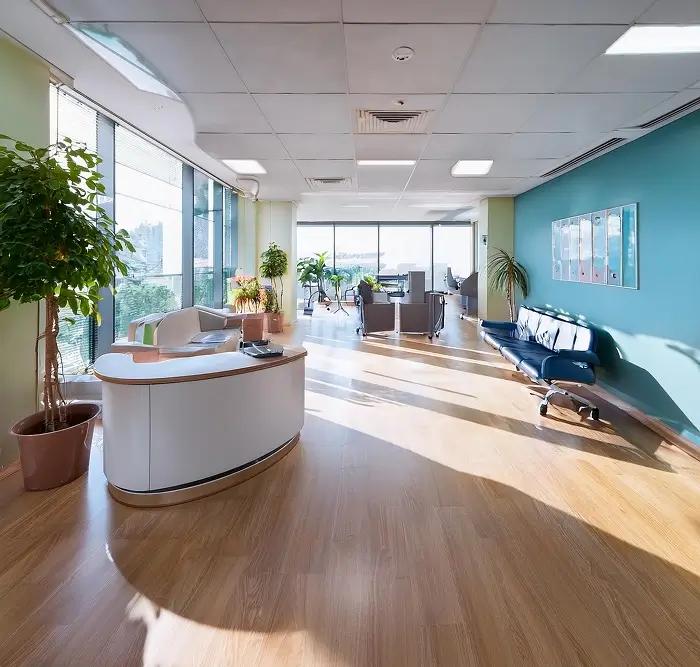
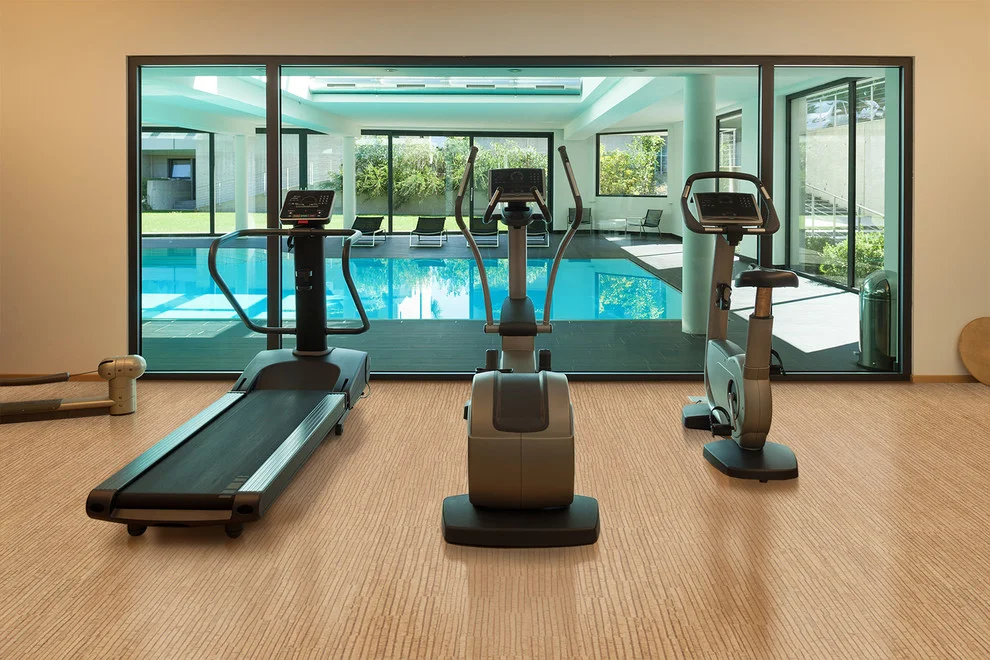
Epoxy floor systems are no longer limited to industrial spaces; they are increasingly used in residential, commercial, and mixed-use environments. Their ability to adapt to both indoor and outdoor conditions makes them a versatile flooring solution for modern construction and renovation projects. From interior living areas to semi-exposed terraces, epoxy flooring offers durability combined with visual appeal.
As design trends move toward seamless surfaces and minimal maintenance, epoxy floors provide an attractive alternative to traditional materials. When paired with complementary systems such as decking or resin overlays, epoxy can create cohesive transitions between indoor and outdoor spaces. Understanding how epoxy performs across different environments helps property owners choose solutions that balance aesthetics, durability, and long-term value.
Overview of epoxy floor applications in residential projects
Residential projects increasingly adopt epoxy flooring for its modern appearance and functional benefits. Unlike traditional tiles or wood, epoxy creates a continuous surface that enhances spatial flow and visual consistency. This makes it particularly appealing in open-plan homes and contemporary interiors.
An epoxy floor is commonly used in garages, kitchens, basements, and utility areas where durability and moisture resistance are essential. Its non-porous surface prevents staining and simplifies cleaning, which is ideal for busy households.
In residential settings, epoxy floors are available in decorative finishes such as metallic effects, flake systems, and solid colors. These options allow homeowners to achieve customized looks without sacrificing performance. Additionally, epoxy floors resist cracking and wear caused by daily use, ensuring long-term reliability in private living spaces.
Differences between epoxy floor and epoxy resin flooring systems
While the terms are often used interchangeably, epoxy floor and epoxy resin flooring systems can differ in structure and application. Epoxy floors typically refer to multi-layer systems designed for heavy-duty performance, while epoxy resin flooring may include thinner coatings for decorative or light-use purposes.
An epoxy resin flooring system often emphasizes aesthetics, offering smoother finishes and artistic effects. These systems are suitable for showrooms, living spaces, and low-impact commercial areas. In contrast, industrial-grade epoxy floors prioritize thickness, load resistance, and chemical durability.
Understanding these distinctions helps users select the appropriate system based on usage intensity, exposure conditions, and design goals. Choosing the right type ensures optimal performance and avoids unnecessary costs or premature wear.
Design flexibility and finishes available with epoxy flooring
Epoxy flooring stands out for its extensive design versatility. Unlike rigid materials with limited patterns, epoxy allows for creative freedom through pigments, aggregates, and finishing techniques. This adaptability makes it suitable for both functional and decorative applications.
Design options include high-gloss finishes for modern interiors, matte textures for slip resistance, and metallic effects for visual depth. Color zoning can be integrated directly into the floor, supporting spatial organization without additional materials.
Epoxy also supports branding and personalization in commercial or residential settings. Logos, patterns, and transitions can be embedded into the surface, creating unique environments. This flexibility enables epoxy flooring to function as both a structural and design element within a space.
Combining epoxy flooring with modern WPC decking solutions
Outdoor and semi-outdoor spaces often benefit from combining different flooring systems. Epoxy flooring pairs effectively with wpc decking to create functional transitions between interior and exterior zones. This combination balances durability with natural aesthetics.
Epoxy is commonly used in covered patios, balconies, and transition areas where moisture resistance is critical. WPC decking complements these areas by providing warmth and texture in fully exposed outdoor spaces. Together, they form a cohesive flooring strategy that adapts to varying environmental conditions.
Key advantages of combining these systems include:
- Visual continuity between indoor and outdoor areas
- Optimized performance based on exposure levels
- Reduced maintenance across different zones
This integrated approach enhances both functionality and design coherence.
Performance of epoxy floors in high-moisture environments
Moisture exposure is a critical consideration for flooring selection. Epoxy floors perform exceptionally well in high-moisture environments due to their non-porous composition. Once cured, epoxy acts as a moisture barrier, preventing water penetration and surface degradation.
This makes epoxy suitable for kitchens, bathrooms, laundry rooms, and semi-outdoor spaces. Proper surface preparation and moisture testing are essential to ensure adhesion and long-term performance. When installed correctly, epoxy floors resist mold growth and surface staining caused by humidity.
In outdoor-adjacent areas, epoxy systems with UV-resistant topcoats help maintain color stability and surface integrity. These features allow epoxy flooring to function reliably even in challenging moisture conditions.
Conclusion and FAQs
Epoxy floor systems offer a versatile solution for both indoor and outdoor applications. Their durability, design flexibility, and resistance to moisture make them suitable for a wide range of environments. When combined with complementary systems like decking, epoxy floors contribute to cohesive and functional spatial design.
By understanding system differences, design options, and environmental performance, property owners can confidently integrate epoxy flooring into modern projects. Its long service life and minimal maintenance requirements continue to position epoxy as a smart investment.
FAQs
What is the difference between epoxy floor and resin flooring?
Epoxy floors are typically thicker and more durable, while resin flooring focuses on decorative finishes.
Can epoxy floors be used outdoors?
Yes, with proper coatings and protection, epoxy floors can be used in semi-outdoor areas.
How durable is epoxy flooring compared to decking?
Epoxy offers higher resistance to wear, while decking provides comfort and texture in exposed spaces.
Is epoxy flooring suitable for residential use?
Yes, epoxy is widely used in homes for its durability and modern appearance.
What surface preparation is required for epoxy floors?
Concrete must be clean, dry, and properly profiled to ensure strong adhesion.