
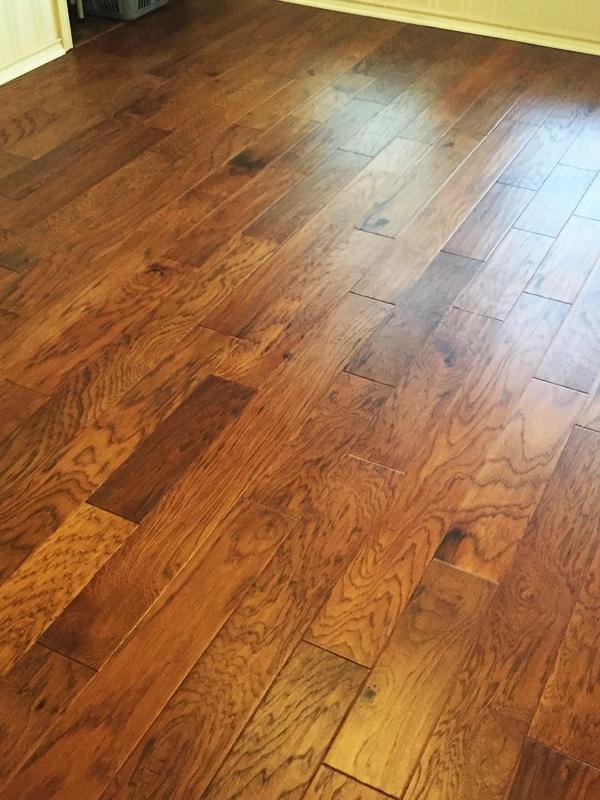

Interior flooring has evolved into a key design element that defines the character and functionality of a space. Among the most visually striking options, herringbone flooring stands out for its ability to transform interiors with pattern and depth. Once limited to traditional parquet, herringbone layouts are now available in engineered and synthetic materials that improve durability and ease of maintenance.
At the same time, epoxy and PVC flooring systems have gained popularity for their performance-driven characteristics. When combined thoughtfully, herringbone, epoxy, and PVC flooring options allow designers to create interiors that balance luxury, practicality, and longevity. This article explores how these flooring systems differ, where each performs best, and how they can be integrated into modern residential and commercial spaces.
Herringbone flooring aesthetic and structural benefits
Herringbone flooring is defined by its distinctive zigzag pattern, which adds visual movement and sophistication to interiors. The pattern creates a sense of depth that enhances both small and large spaces. Modern herringbone flooring is typically manufactured as engineered planks, offering improved stability compared to traditional solid wood parquet.
Structurally, engineered herringbone flooring resists expansion and contraction when installed in climate-controlled environments. This makes it suitable for living rooms, offices, hotels, and upscale retail spaces. Its layered construction enhances strength while preserving the natural appearance that designers value.
Herringbone flooring is often chosen for feature areas where aesthetics take priority, setting the tone for the entire interior.
Epoxy flooring Dubai performance in modern interiors
epoxy flooring dubai offers a completely different set of advantages. Unlike patterned flooring, epoxy creates a seamless, continuous surface that emphasizes cleanliness and durability. It is widely used in commercial interiors, kitchens, corridors, and industrial-inspired spaces.
Epoxy flooring resists chemicals, stains, and abrasion, making it ideal for high-traffic or functional zones. Its seamless nature prevents dirt and moisture from penetrating joints, simplifying cleaning and maintenance. From a design perspective, epoxy can be customized with colors, textures, and finishes to suit modern aesthetics.
While epoxy lacks the warmth of herringbone patterns, it excels in areas where performance and hygiene are the primary concerns.
PVC flooring versatility across residential spaces
PVC flooring provides a versatile bridge between decorative and functional flooring. PVC systems can replicate wood and stone designs, including herringbone-style visuals, while offering superior moisture resistance and ease of care.
PVC flooring is commonly used in bedrooms, offices, and mixed-use interiors where durability and comfort are required. Its layered construction provides moderate cushioning, making it more comfortable underfoot than rigid surfaces.
For projects that require visual continuity across multiple zones, PVC flooring offers design flexibility without sacrificing practicality.
Installation precision for herringbone patterns
Installing herringbone flooring requires a high level of precision. The pattern demands accurate alignment and careful planning to maintain symmetry across the space. Subfloor preparation is critical, as uneven surfaces can disrupt the pattern and affect long-term stability.
Professional installation ensures that the visual impact of herringbone flooring is fully realized. In contrast, epoxy and PVC flooring systems are generally easier to install, though they still require proper preparation and skilled application.
Durability and maintenance comparison
Durability varies significantly between the three flooring types. Epoxy flooring offers exceptional resistance to wear and requires minimal maintenance. PVC flooring provides reliable durability with straightforward cleaning routines. Herringbone engineered flooring, while durable, requires more attentive care to preserve its appearance.
Maintenance planning should align with usage intensity. High-traffic areas benefit from epoxy or PVC, while herringbone is best reserved for spaces where visual impact outweighs heavy wear.
Design trends in luxury flooring
Modern interiors increasingly combine multiple flooring systems within a single project. Herringbone patterns define premium zones, epoxy supports functional and transitional areas, and PVC connects spaces seamlessly. This layered approach allows designers to optimize both aesthetics and performance.
Conclusion and FAQs
Herringbone flooring, epoxy flooring, and PVC flooring each offer distinct advantages. Herringbone delivers visual sophistication, epoxy provides unmatched durability, and PVC balances design flexibility with practicality. When used strategically, these systems create interiors that are both beautiful and functional.
FAQs
What is herringbone flooring?
A patterned flooring layout that adds visual depth.
Is epoxy flooring durable?
Yes, it is extremely durable and seamless.
Where is PVC flooring used?
In residential and commercial interiors.
Is herringbone hard to install?
Yes, it requires skilled installation.
Which flooring suits luxury homes?
Herringbone engineered flooring is ideal.