
Gyms and industrial spaces place extreme demands on flooring systems due to heavy equipment, constant movement, and high-impact activities. Flooring in these environments must prioritize safety, durability, and comfort while remaining cost-effective over the long term. Rubber flooring has become a preferred solution because it addresses these needs in a balanced and practical way.
Whether installed in fitness centers, manufacturing zones, or multipurpose facilities, rubber flooring delivers resilience and performance under pressure. Its ability to absorb shock, reduce noise, and resist wear makes it suitable for demanding applications. Understanding how rubber flooring performs and how it compares with alternative systems such as epoxy is essential for making informed flooring decisions.
Overview of rubber flooring applications in commercial gyms
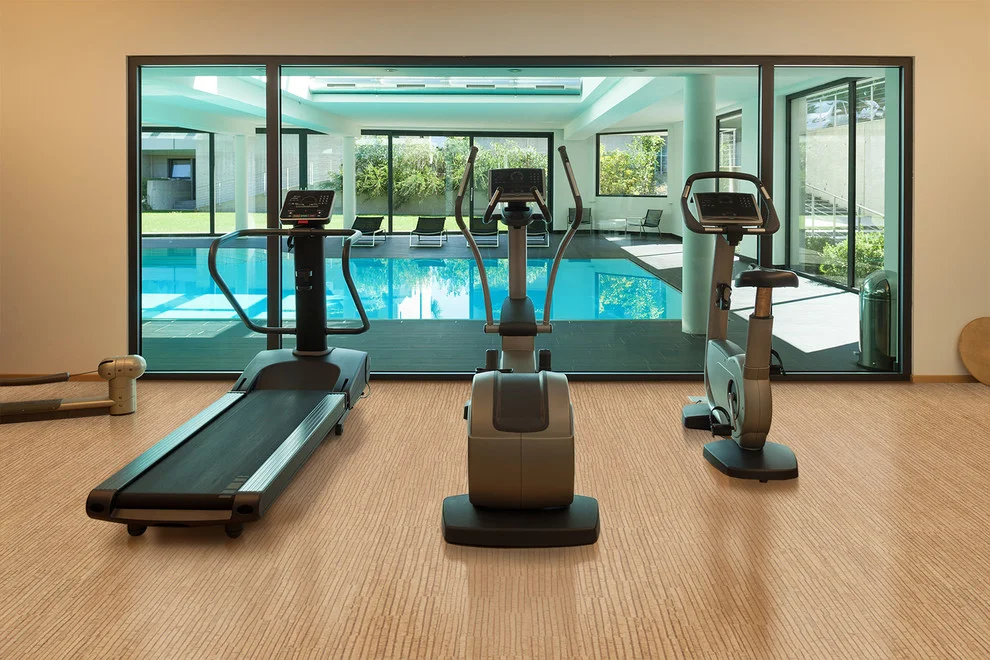
Rubber flooring is widely used in commercial gyms due to its impact resistance and safety benefits. It supports intense workouts, heavy weights, and continuous foot traffic without surface damage. Rubber flooring tiles and rolls are commonly installed in free-weight zones, cardio areas, and functional training spaces.
A major advantage of Rubber flooring is its ability to absorb shock, reducing stress on joints and minimizing noise from dropped equipment. This creates a more comfortable environment for users and reduces structural impact on the building.
Rubber flooring also provides excellent traction, helping prevent slips during high-intensity activities. Its durability ensures that gym owners can maintain consistent flooring performance without frequent replacement, making it a reliable long-term investment.
Benefits of working with gym flooring suppliers in UAE
Partnering with experienced gym flooring suppliers in uae ensures access to materials designed specifically for local conditions and usage patterns. Professional suppliers understand the demands of commercial gyms and recommend flooring systems that meet safety and performance standards.
Suppliers provide guidance on thickness selection, surface texture, and installation methods. This expertise helps gym operators avoid common mistakes such as under-specifying flooring for heavy equipment zones.
Working with reputable suppliers also ensures compliance with safety regulations and access to warranties. This support reduces long-term risk and ensures that flooring systems perform as expected under intensive use.
Performance of rubber flooring under heavy gym equipment
Heavy gym equipment places concentrated loads on flooring surfaces. Rubber flooring distributes these loads effectively, preventing surface deformation and protecting underlying substrates. Its elasticity allows it to compress under weight and return to shape without permanent damage.
In free-weight areas, rubber flooring minimizes damage from dropped weights and reduces vibration transmission. This performance protects both equipment and building structures. Rubber’s resistance to abrasion also ensures that flooring maintains appearance despite constant use.
For gyms prioritizing longevity and safety, rubber flooring remains one of the most reliable solutions for handling heavy equipment and high-impact activities.
Comparing rubber flooring with epoxy flooring in Dubai
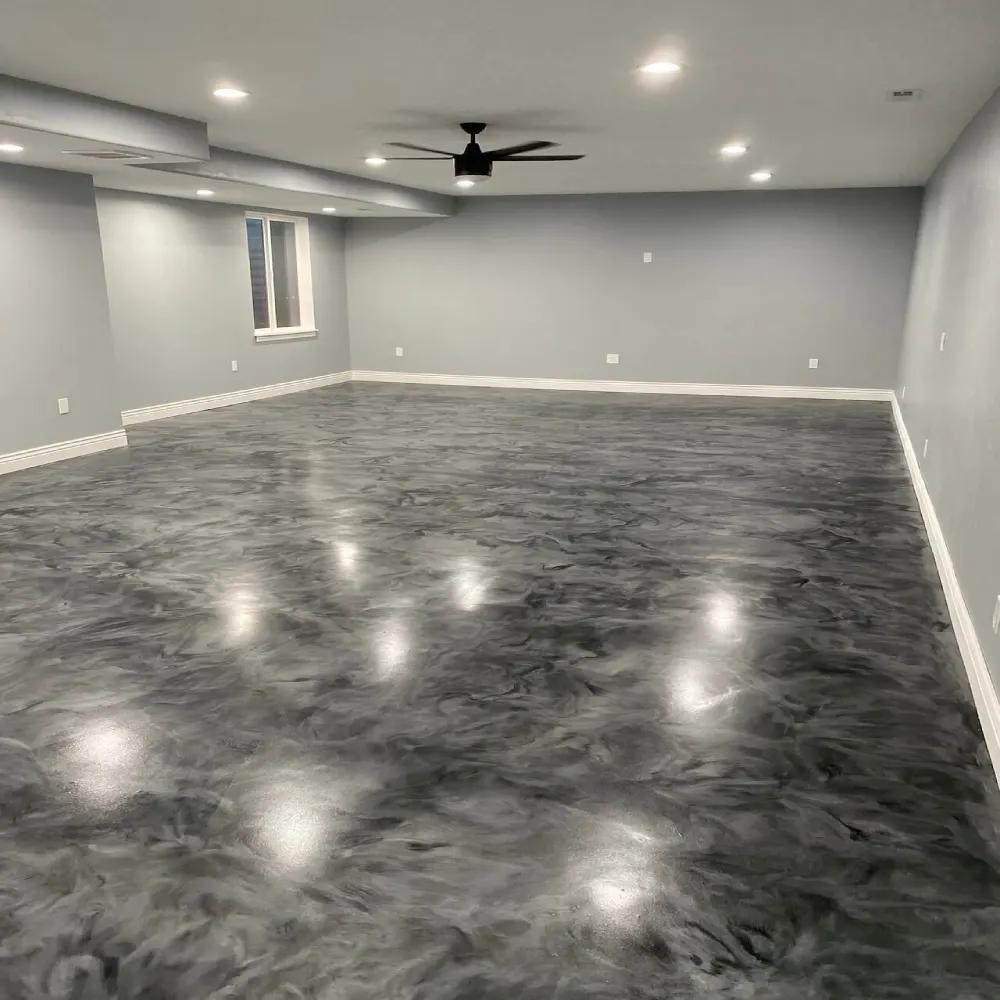
Rubber and epoxy flooring serve different priorities in gyms and industrial spaces. Rubber focuses on comfort, impact absorption, and slip resistance, while epoxy emphasizes hardness, chemical resistance, and seamless surfaces.
epoxy flooring dubai is often used in industrial zones or circulation areas where durability and ease of cleaning are critical. However, epoxy lacks the shock absorption needed for heavy workout zones.
Many facilities adopt a hybrid approach, using rubber flooring in active areas and epoxy in walkways or equipment storage zones. This combination optimizes performance while controlling costs and maintenance requirements.
Installation considerations for gym and industrial flooring
Proper installation is essential for both rubber and epoxy flooring systems. Subfloor preparation ensures even performance and prevents premature wear. Rubber flooring installation may involve adhesive bonding or interlocking systems depending on usage intensity.
Industrial environments often require phased installation to minimize downtime. Planning installation schedules around operational needs reduces disruption. Attention to edge finishing and transitions enhances safety and visual consistency.
Following manufacturer and supplier guidelines ensures that flooring systems deliver expected performance throughout their lifespan.
Conclusion and FAQs
Rubber flooring offers a proven solution for gyms and industrial spaces that demand safety, durability, and comfort. Its shock absorption, slip resistance, and resilience under heavy loads make it suitable for high-impact environments. When combined with strategic use of epoxy flooring, facilities can achieve balanced performance across different zones.
Selecting the right flooring system and supplier ensures long-term value and operational efficiency. With proper installation and maintenance, rubber flooring continues to support demanding spaces effectively.
FAQs
Why is rubber flooring popular in gyms?
It absorbs impact, reduces noise, and improves safety during workouts.
How do gym flooring suppliers in UAE operate?
They provide material selection, technical guidance, and installation support.
Is epoxy flooring suitable for fitness centers?
It is suitable for walkways and storage areas but not ideal for heavy workout zones.
What thickness of rubber flooring is best for gyms?
Thickness depends on activity type, but heavier zones require thicker flooring.
How long does rubber gym flooring last?
With proper use and maintenance, rubber flooring can last many years.