
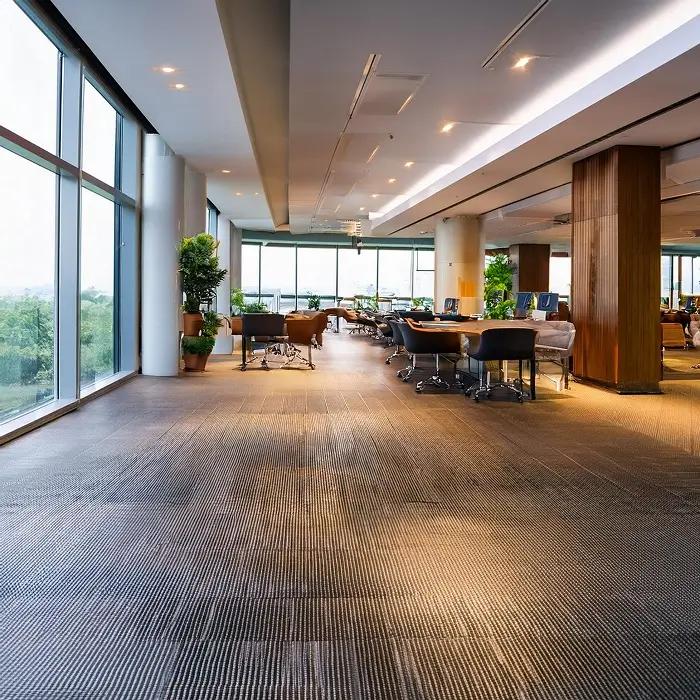
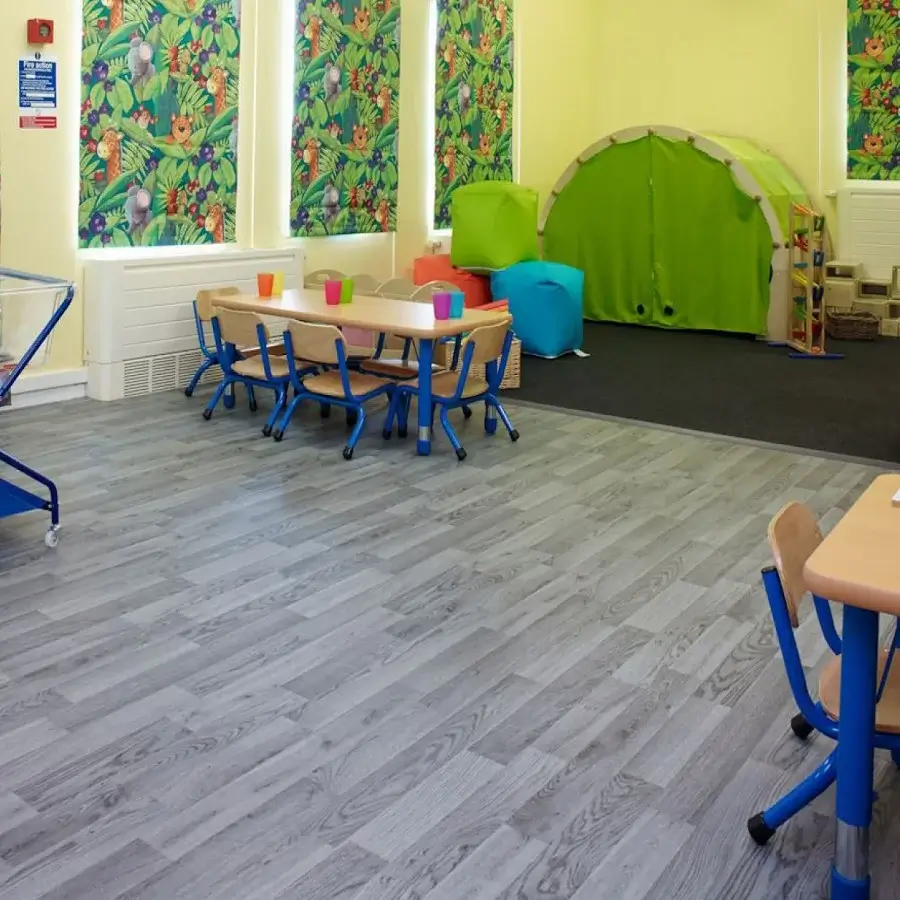
Sports and multi-purpose facilities demand flooring systems that balance durability, safety, and design flexibility. With increasing emphasis on injury prevention and long-term performance, material selection has become a strategic decision rather than a purely aesthetic one. Rubber-based terrazzo systems and composite-core solutions are now widely used in athletic, educational, and recreational environments. These materials are engineered to absorb impact, reduce noise, and withstand continuous foot traffic without degrading. At the same time, modern design expectations require floors to complement architectural identity. This article examines how terrazzo rubber surfaces and composite systems perform in sports-oriented spaces, highlighting safety, maintenance, and usability. By understanding how these materials function in real-world applications, facility planners can create environments that support athletic performance while remaining visually appealing and cost-effective.
What defines terrazzo rubber flooring and its material advantages
Terrazzo rubber systems are manufactured by blending rubber granules with durable binders, resulting in a resilient and slip-resistant surface. terrazzo rubber flooring is particularly valued in sports and recreational environments because it absorbs shock efficiently. This reduces stress on athletes’ joints and lowers the risk of impact-related injuries during falls or intense activity.
The seamless nature of terrazzo rubber floors eliminates joints where dirt and bacteria can accumulate. This improves hygiene and simplifies cleaning routines. In addition, the material offers excellent acoustic insulation, helping control noise levels in busy sports halls and training centers. Color customization is another advantage, allowing designers to create visually engaging patterns that align with branding or zoning requirements.
Material advantages include:
- High slip resistance even in wet conditions
- Long lifespan under heavy foot traffic
- Environmentally friendly options using recycled rubber
These characteristics make rubber terrazzo a reliable solution for demanding sports and public-use facilities.
Why WPC flooring is increasingly used in multi-purpose facilities
Multi-purpose facilities require adaptable flooring that performs well across different activities. Composite-core systems have gained popularity because they combine rigidity with comfort. wpc flooring offers dimensional stability, making it suitable for areas that host events, light sports, or community activities. The rigid core prevents deformation under temporary loads such as seating or equipment.
Another advantage is ease of installation and replacement. Floating installation systems allow quick updates without extended downtime. This is particularly beneficial for community centers and schools that cannot afford long closures. Composite floors also provide improved thermal insulation, enhancing user comfort during extended indoor activities.
While not designed for high-impact sports, composite systems work well in auxiliary areas such as lounges, corridors, and training rooms. Their ability to replicate wood or stone visuals adds aesthetic value while maintaining practical performance, making them a versatile option within larger sports complexes.
Sports flooring requirements for safety and shock absorption
Safety is the primary concern in sports flooring design. Surfaces must absorb impact energy, provide consistent traction, and minimize fatigue during repetitive movement. In the UAE, sports flooring uae standards emphasize shock absorption and slip resistance to protect users across different age groups and activity levels.
Key performance requirements include controlled ball rebound for court sports, surface elasticity for injury prevention, and durability under constant use. Rubber terrazzo excels in shock absorption, while vinyl sports systems offer predictable performance for competitive play. Proper subfloor preparation and installation are essential to ensure these properties are achieved.
Essential safety features include:
- Certified shock absorption ratings
- Slip resistance under dry and wet conditions
- Even load distribution across the surface
Meeting these requirements ensures compliance with international standards and enhances athlete confidence and performance.
Comparing terrazzo rubber flooring with synthetic sports floors
Rubber terrazzo and synthetic sports floors serve different but complementary roles. Rubber terrazzo prioritizes safety, comfort, and noise reduction, making it ideal for multipurpose and recreational areas. Synthetic vinyl sports floors, on the other hand, are engineered for specific sports performance metrics such as ball bounce and directional control.
Maintenance routines also differ. Rubber terrazzo floors require periodic sealing to maintain appearance, while vinyl sports floors rely on regular cleaning and surface inspections. In terms of lifespan, both systems perform well when properly maintained, though rubber terrazzo often offers superior resilience against surface wear.
Design flexibility is another consideration. Rubber terrazzo allows for custom patterns and colors, while synthetic sports floors focus more on standardized layouts. Choosing between them depends on whether the space prioritizes competitive performance or multi-use functionality.
Slip resistance, acoustic comfort, and impact performance explained
Slip resistance is crucial in preventing accidents, particularly in high-activity environments. Rubber terrazzo surfaces maintain grip even when exposed to moisture, making them suitable for areas near entrances or changing rooms. Their elastic composition also absorbs sound, reducing echo and improving acoustic comfort.
Impact performance is another defining feature. Rubber granules disperse force evenly, reducing strain on joints and minimizing injury risk. This is especially beneficial for younger users and rehabilitation environments. Acoustic comfort further enhances usability by creating quieter, less stressful spaces.
Together, these performance characteristics create environments that are safer and more comfortable, supporting both athletic performance and general well-being across diverse user groups.
Maintenance standards for high-traffic sports environments
High-traffic sports environments demand consistent maintenance to preserve performance and appearance. Rubber terrazzo systems benefit from routine cleaning with neutral detergents and periodic resealing to protect the surface. Vinyl sports floors require regular dust removal and damp cleaning to maintain traction.
Preventive maintenance plays a key role in extending lifespan. This includes monitoring wear patterns, addressing minor damage promptly, and using protective measures such as entrance mats. Proper maintenance planning reduces long-term costs and ensures the flooring continues to meet safety standards.