
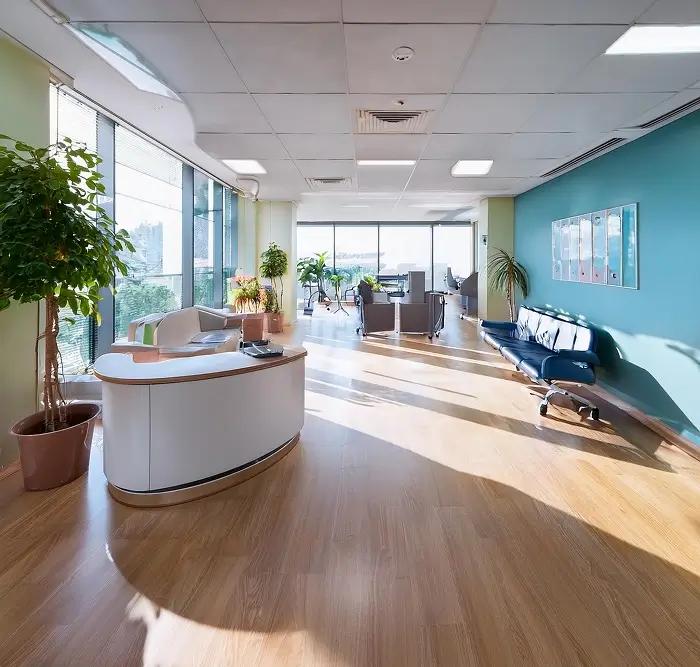

Modern fitness and wellness facilities require flooring systems that balance durability, comfort, and safety. Gyms are exposed to heavy equipment, repetitive movement, and constant foot traffic, which places high demands on floor performance. At the same time, aesthetics and ease of maintenance remain important considerations for operators. Composite-core floors and rubber-based systems are increasingly used together to meet these needs. This article explores how WPC flooring and EPDM gym flooring function within fitness environments, highlighting their structural properties, safety benefits, and ideal use cases. Understanding the strengths and limitations of each system allows gym owners and developers to design spaces that perform efficiently while remaining safe and visually appealing.
Structural benefits of WPC flooring in modern interiors
Composite-core flooring is engineered to provide stability, moisture resistance, and comfort underfoot. wpc flooring features a rigid core that resists expansion and contraction, making it suitable for interior gym areas such as reception zones, corridors, and studios. Its layered structure improves sound insulation, reducing noise transmission between spaces.
Another key advantage is resistance to indentation. Heavy gym equipment and foot traffic place constant pressure on floors, and composite cores distribute this load evenly. Installation is also efficient due to click-lock systems, allowing faster project completion and easier future replacements.
These characteristics make WPC flooring a practical choice for non-active gym zones where stability, comfort, and durability are priorities.
Gym flooring requirements in Abu Dhabi fitness centers
Fitness centers in Abu Dhabi face unique challenges due to climate conditions and usage intensity. gym flooring abu dhabi solutions must handle high humidity, temperature variation, and continuous activity. Floors must also comply with safety standards related to slip resistance and impact absorption.
Key requirements include shock absorption to protect joints, surface grip to prevent slips, and durability under equipment loads. Hygiene is another concern, as gym floors must be easy to clean and resistant to bacteria growth.
Selecting materials designed specifically for gym use ensures safety, regulatory compliance, and long-term performance in demanding environments.
EPDM flooring performance for shock absorption and safety
EPDM Flooring is widely used in gyms due to its exceptional elasticity and impact absorption. Made from synthetic rubber granules, EPDM systems reduce stress on joints and minimize injury risk during high-impact workouts.
EPDM floors also provide excellent slip resistance and acoustic comfort. Their porous structure helps absorb sound and vibration, creating a more comfortable training environment. In addition, EPDM flooring is highly durable and resistant to wear, making it suitable for weight training and functional fitness zones.
These safety-focused characteristics make EPDM a preferred solution for active gym areas.
Comparing WPC flooring with rubber-based gym floors
WPC and EPDM flooring serve different roles within fitness facilities. WPC focuses on rigidity, moisture resistance, and design aesthetics, while EPDM prioritizes elasticity and shock absorption. Using each material in appropriate zones enhances overall facility performance.
WPC is ideal for circulation areas and studios, while EPDM supports active training zones. Understanding these differences prevents misuse and ensures each space performs as intended.
Moisture resistance and hygiene considerations explained
Moisture resistance is critical in gyms due to sweat and cleaning routines. WPC flooring’s waterproof core prevents swelling, while EPDM’s non-slip surface maintains traction even when damp.
Both systems support hygiene by allowing regular cleaning without material degradation. This reduces maintenance costs and improves user confidence.
Choosing the right flooring for gyms and studios
Effective gym design involves zoning spaces based on activity type. Combining WPC and EPDM flooring allows facilities to balance aesthetics, safety, and durability.