
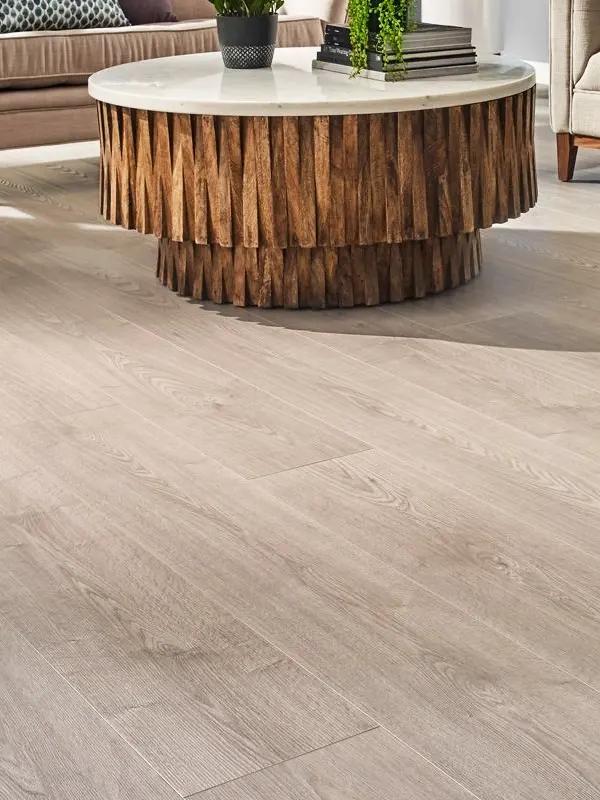
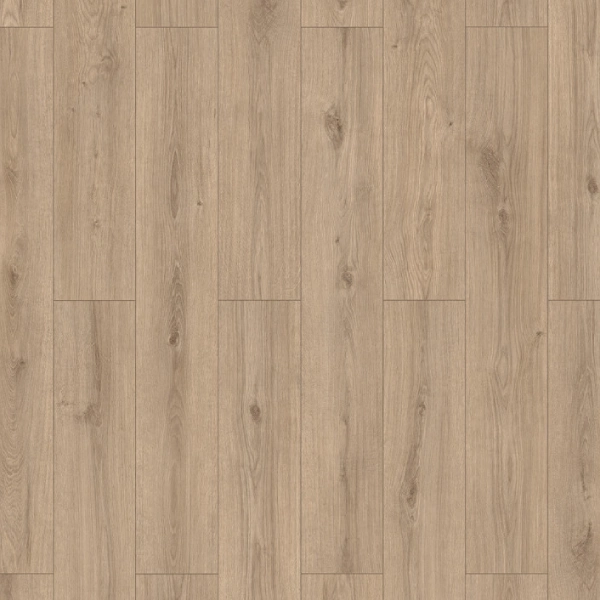
WPC flooring has rapidly gained popularity in modern construction due to its durability, waterproof core, and contemporary design flexibility. As property owners seek practical alternatives to traditional wood and laminate, wood plastic composite flooring offers a balanced solution that combines aesthetic warmth with structural resilience. It performs exceptionally well in residential apartments, commercial offices, and retail environments where moisture resistance and long-term stability are essential.
Unlike conventional wood floors, WPC planks are engineered with a rigid core that resists expansion and contraction. This makes them highly suitable for climates with humidity fluctuations. Additionally, installation systems have evolved to allow faster fitting without compromising strength. As interior trends shift toward seamless, easy-to-maintain surfaces, WPC flooring continues to stand out as a reliable and visually appealing choice for contemporary spaces.
Why WPC Flooring Is Popular in Residential Projects
Homeowners increasingly prefer wpc flooring because it provides the appearance of natural wood without the vulnerabilities associated with organic materials. Its waterproof core prevents swelling, making it ideal for kitchens, living rooms, and even basements.
One of the most attractive features is dimensional stability. Traditional hardwood may warp in humid conditions, but WPC planks maintain their shape due to the composite core structure. This ensures long-term visual consistency and reduces repair needs.
Key benefits include:
- 100% waterproof core construction
- Comfortable underfoot feel
- Scratch and stain resistance
- Quick click-lock installation systems
- Wide variety of wood-look finishes
Moreover, WPC flooring reduces noise transmission between floors. This makes it particularly suitable for apartments and multi-level homes. By combining comfort, durability, and ease of maintenance, WPC flooring has become a preferred solution for modern residential upgrades.
Comparing Rubber Flooring Dubai Options for Gyms
Fitness environments demand surfaces that absorb shock and minimize injury risk. High-quality rubber flooring dubai solutions are engineered to withstand heavy weights, cardio equipment, and constant movement.
Rubber flooring is available in tiles, rolls, and interlocking mats, allowing flexibility in gym design. Thickness levels vary depending on usage intensity. For example, heavy lifting zones require thicker materials for enhanced cushioning and vibration control.
Major advantages include:
- Superior shock absorption
- Slip-resistant surface texture
- Noise reduction in shared buildings
- Durability under heavy equipment
- Moisture and sweat resistance
In comparison to other flooring systems, rubber offers better joint protection and safety during workouts. It also simplifies cleaning routines, as most rubber surfaces are resistant to stains and moisture penetration. Selecting the correct thickness and density ensures long-term performance in high-impact training facilities.
Industrial Epoxy Flooring for Heavy-Duty Applications
Industrial spaces require reinforced surfaces capable of handling forklifts, machinery, and chemical exposure. A professionally installed Industrial Epoxy Flooring system provides exceptional load-bearing capacity and chemical resistance.
Unlike standard coatings, industrial-grade epoxy is formulated for extreme durability. It creates a seamless layer that strengthens concrete slabs and prevents dusting. This is particularly beneficial in warehouses and manufacturing plants where operational efficiency depends on smooth and stable surfaces.
Core performance features include:
- Resistance to oil and chemical spills
- High compressive strength
- Minimal maintenance requirements
- Seamless application for hygiene control
- Long operational lifespan
Industrial epoxy also improves safety by offering anti-slip finishes. By reducing cracks and surface degradation, it ensures uninterrupted operations and lowers maintenance costs over time.
Waterproof and Moisture-Resistant Flooring Technologies
Modern flooring systems increasingly incorporate moisture-resistant technologies to combat environmental challenges. WPC and rubber flooring solutions are designed to prevent water penetration, making them ideal for humid climates and spill-prone areas.
Waterproof cores eliminate swelling and deformation. This allows installation in kitchens, entryways, and even light commercial environments without fear of long-term damage. Additionally, advanced underlayment materials provide added protection against subfloor moisture.
Important waterproof features include:
- Sealed locking systems
- Moisture-blocking core layers
- Anti-microbial surface treatments
- Resistance to mold and mildew
By investing in moisture-resistant flooring, property owners reduce the risk of structural deterioration. These technologies also enhance hygiene, particularly in environments where cleanliness is essential.
Installation Techniques for Long-Lasting Floor Stability
Proper installation is critical to ensuring floor stability and longevity. Even the highest-quality materials can fail if installed incorrectly. Preparation begins with assessing subfloor conditions and ensuring level surfaces.
Common installation methods include floating systems, adhesive bonding, and interlocking tiles. Each method is selected based on usage requirements and environmental factors.
Best practices include:
- Thorough subfloor cleaning and leveling
- Moisture testing before installation
- Allowing materials to acclimate
- Using recommended adhesives or locking systems
- Ensuring expansion gaps where necessary
Professional installation minimizes the risk of gaps, lifting, or uneven wear. When combined with proper maintenance, these techniques ensure the flooring system performs reliably for many years.
Conclusion
WPC flooring, rubber surfaces, and industrial epoxy systems each serve distinct roles in modern interior and commercial design. Their shared advantages—durability, moisture resistance, and ease of maintenance—make them valuable investments for long-term performance.
By understanding the functional differences between residential WPC flooring, gym rubber surfaces, and heavy-duty epoxy systems, property owners can select solutions tailored to their specific needs. Proper installation and maintenance further guarantee structural integrity and visual appeal.
FAQs
Is WPC flooring completely waterproof?
Yes, WPC flooring features a waterproof composite core that resists swelling and moisture damage.
Where is rubber flooring commonly used?
Rubber flooring is ideal for gyms, fitness centers, play areas, and high-impact training spaces.
What makes industrial epoxy flooring durable?
Its multi-layer structure bonds directly to concrete, creating a hardened and chemical-resistant surface.
Can WPC flooring handle heavy furniture?
Yes, its rigid core provides stability under furniture and regular household loads.
How do you maintain composite flooring?
Regular sweeping and occasional damp mopping are typically sufficient to preserve appearance and durability.