
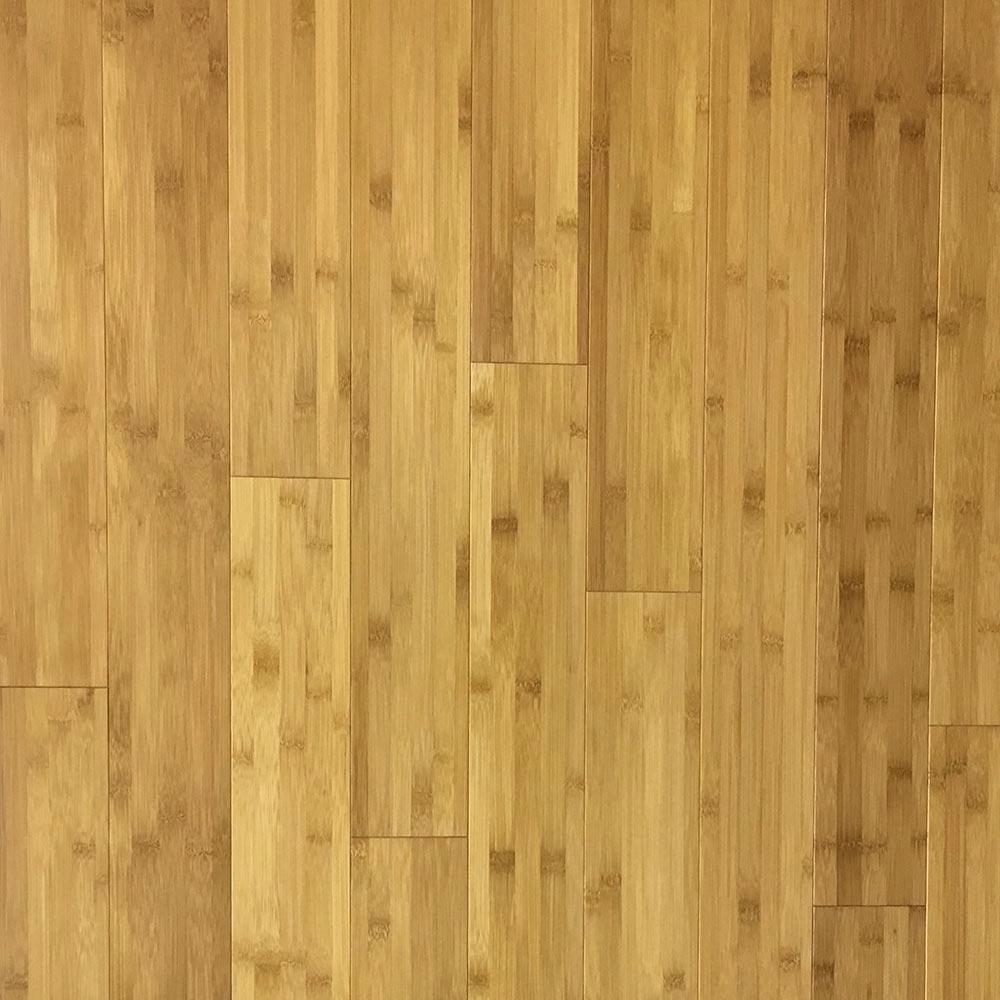

WPC flooring has become a preferred solution for modern interiors across the UAE due to its balance of durability, design flexibility, and climate resistance. Property owners increasingly look for flooring that can handle temperature variations, humidity, and daily wear without sacrificing appearance. This demand has positioned wpc flooring as a practical option for apartments, villas, and commercial spaces alike.
Beyond aesthetics, WPC flooring addresses structural concerns common in the region, such as moisture exposure and subfloor inconsistencies. Its layered construction delivers stability while allowing designers to achieve wood-inspired finishes without the maintenance challenges of natural materials. As interior trends continue to emphasize functionality alongside style, understanding how WPC flooring performs in real-world UAE conditions becomes essential for making informed decisions that support long-term use and value.
Understanding the structural benefits of WPC flooring systems in UAE climates
WPC flooring systems are engineered to deliver consistent performance in environments where temperature and humidity fluctuate throughout the year. Their core structure blends wood fibers with thermoplastic polymers, creating a rigid yet flexible base that resists warping and expansion. This structural integrity is particularly valuable in UAE interiors, where air-conditioned spaces contrast sharply with external heat.
Another advantage lies in the multilayer construction, which typically includes a wear layer, decorative layer, core, and backing layer. Each layer contributes to load distribution and impact resistance, reducing stress on subfloors over time. This makes WPC flooring suitable for high-traffic residential areas and light commercial settings.
From a structural perspective, WPC flooring also improves underfoot comfort. The dense core absorbs minor vibrations and distributes weight evenly, limiting point-load damage. These characteristics allow designers and contractors to rely on WPC systems as a stable flooring foundation that aligns with modern building standards while accommodating regional climate demands.
Comparing WPC flooring durability against traditional vinyl and laminate options
When evaluating flooring durability, WPC systems often outperform traditional vinyl and laminate products due to their composite core. Unlike standard vinyl planks, WPC flooring maintains dimensional stability under temperature changes, reducing the risk of gaps or buckling. Compared to laminate, it offers superior moisture resistance, making it more adaptable for kitchens and living areas.
Durability comparisons often focus on wear layers and core strength. WPC flooring typically includes thicker wear layers that protect against scratches and surface abrasion. In contrast, laminate relies heavily on surface coatings that may degrade faster under heavy use.
Key durability distinctions include:
- Resistance to moisture penetration and swelling
- Improved impact resistance under furniture and foot traffic
- Reduced sound transmission compared to laminate
These factors explain why WPC flooring is frequently selected over alternatives such as lvt flooring abu dhabi when long-term performance is a priority. The combination of resilience and adaptability supports consistent use across diverse interior applications.
Installation standards and subfloor preparation for WPC flooring projects
Proper installation plays a critical role in the performance of WPC flooring systems. While many products feature click-lock mechanisms, subfloor preparation remains essential to ensure longevity and stability. Subfloors must be clean, level, and structurally sound before installation begins, as uneven surfaces can compromise locking systems over time.
Industry standards recommend checking moisture levels in concrete subfloors, even though WPC flooring itself resists water absorption. Excess moisture can affect adhesives and underlayments if used. Installers also account for expansion gaps around walls and fixed structures to accommodate minor movement without visible distortion.
Professional installation typically follows a structured process that includes acclimatization, layout planning, and controlled fitting. This systematic approach minimizes installation errors and ensures that WPC flooring performs as intended. Attention to these standards supports consistent results across residential and commercial projects in the UAE.
Moisture resistance performance of WPC flooring in residential spaces
Moisture resistance is one of the defining advantages of WPC flooring in residential environments. Unlike traditional wood-based products, WPC cores do not absorb water, allowing the flooring to maintain shape and stability even in moisture-prone areas. This makes it suitable for kitchens, living rooms, and entryways where spills or humidity are common.
In residential settings, moisture exposure often comes from cleaning routines and daily activities rather than direct flooding. WPC flooring handles these conditions effectively, preventing swelling or delamination. Its sealed surface also limits moisture penetration through joints when installed correctly.
Homeowners seeking alternatives to stone or specialized materials such as terrazzo rubber flooring often choose WPC for its balance of comfort and moisture tolerance. This performance characteristic supports long-term use while reducing maintenance concerns associated with water-related damage.
Design styles and surface finishes available in modern WPC flooring
Modern WPC flooring offers a wide range of design styles that align with contemporary interior trends. Advances in printing technology allow manufacturers to replicate natural wood grains, stone textures, and abstract patterns with high visual accuracy. These options provide designers with flexibility without compromising performance.
Surface finishes vary from matte to textured, enhancing slip resistance and tactile appeal. Embossed-in-register techniques create depth that mirrors natural materials, contributing to realistic aesthetics. Color palettes range from light Scandinavian tones to deeper, traditional hues suitable for luxury interiors.
Design versatility also supports cohesive interior planning. WPC flooring can complement minimalist layouts, modern furnishings, and transitional styles alike. This adaptability ensures that functional requirements do not limit creative expression, allowing property owners to achieve cohesive and durable interior environments.
Conclusion + FAQs combined
WPC flooring stands out as a practical flooring solution for modern UAE interiors due to its structural stability, moisture resistance, and design flexibility. Its engineered composition addresses regional climate challenges while supporting long-term durability. For residential and light commercial spaces, WPC systems offer a reliable balance between performance and visual appeal.
FAQs
What is WPC flooring and how does it perform in hot climates?
WPC flooring performs well in hot climates due to its composite core, which resists expansion and warping.
Is WPC flooring suitable for apartments and villas?
Yes, it is suitable for both apartments and villas because it combines durability with sound-reducing properties.
How long does WPC flooring typically last?
With proper installation and maintenance, WPC flooring can last 15–25 years.
Can WPC flooring be installed over existing floors?
In many cases, it can be installed over existing floors if the surface is level and stable.
How is WPC flooring maintained over time?
Routine sweeping and damp mopping are usually sufficient to maintain its appearance and performance.