
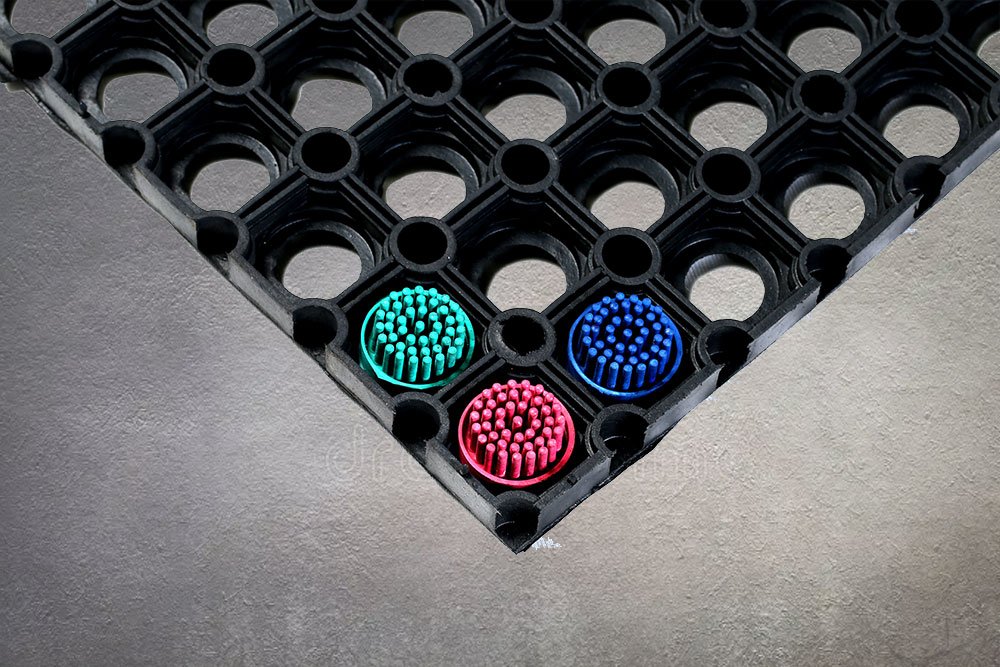
hollow mats dubai rubber mats are widely used in modern construction and interior environments due to their drainage efficiency, durability, and surface stability. These mats are designed with a perforated or hollow structure that allows liquids, dust, and debris to pass through, reducing surface buildup and improving hygiene.
Understanding how flooring systems function is essential for selecting the right material for specific environments. In addition to rubber-based solutions, decorative and functional finishes such as concrete overlays, wood systems, and terrazzo surfaces are also commonly applied in residential and commercial projects. Each option serves different performance requirements depending on usage, climate, and structural needs.
Understanding the Structure and Drainage Design of Hollow Rubber Mats
Hollow rubber mats are engineered with internal cavities or perforations that allow water and debris to flow through the surface instead of accumulating on top. This design improves safety, especially in areas exposed to moisture.
Key structural characteristics include:
- Open-cell or perforated patterns for drainage efficiency
- Slip-resistant top surfaces for enhanced safety
- Flexible yet durable rubber composition
- Shock-absorbing properties for comfort underfoot
These features make them suitable for high-traffic areas, wet zones, and environments where surface traction is essential. The hollow design also helps reduce maintenance requirements because dirt can pass through rather than remaining trapped on the surface.
In many projects, installers evaluate surface preparation carefully before placing mats to ensure stability and long-term performance. Proper alignment and subfloor compatibility are essential for preventing movement and ensuring consistent drainage functionality.
How Micro Cement Flooring Is Applied and Why It Is Popular
Modern architectural design often favors seamless finishes that create a clean and minimalist appearance. One such system is micro cement flooring, which is applied as a thin decorative coating over existing substrates.
The application process typically includes:
- Surface preparation and cleaning
- Primer application to enhance adhesion
- Multiple thin layers of micro cement
- Sanding between coats for smoothness
- Sealing to protect against moisture and wear
Micro cement is valued for its versatility because it can be applied over concrete, tiles, and other stable surfaces. It provides a continuous finish without visible joints, making it popular in contemporary homes, offices, and retail environments.
The material is also appreciated for its design flexibility. It can be customized in different textures and colors, allowing architects to achieve unique visual effects while maintaining durability.
Key Benefits of Working With Professional Wooden Flooring Companies in Dubai
Selecting experienced contractors is essential when installing wood-based systems. Collaborating with wooden flooring companies in dubai ensures that material selection, installation techniques, and finishing processes meet structural standards.
Professional companies typically provide:
- Detailed site assessment before installation
- Proper subfloor leveling and moisture testing
- Accurate measurement and layout planning
- Controlled installation procedures
- Finishing and sealing services
Wood flooring requires precision to prevent expansion, contraction, or surface damage. Skilled installers understand climate considerations, especially in regions with temperature fluctuations and humidity changes.
Working with specialists also improves long-term performance by ensuring that adhesives, underlays, and protective coatings are applied correctly. This reduces maintenance needs and extends the lifespan of the flooring system.
Step-by-Step Installation Process of Epoxy Terrazzo Flooring Systems
Decorative terrazzo systems have evolved into advanced resin-based surfaces that combine aesthetics with strength. Modern epoxy terrazzo flooring is known for its seamless finish and high durability.
The installation process generally follows these stages:
- Substrate preparation and surface grinding
- Application of epoxy primer for bonding
- Mixing resin with aggregates such as marble chips
- Pouring and spreading the mixture evenly
- Curing to allow proper hardening
- Mechanical polishing to achieve a smooth finish
- Application of protective sealers
Each step is critical to achieving structural integrity and visual consistency. Proper curing time ensures the system bonds securely to the base surface.
Epoxy terrazzo is commonly used in large commercial spaces because it offers both decorative appeal and long-term resistance to wear. The seamless design reduces joints, making it easier to clean and maintain compared to traditional tiled systems.
Maintenance Guidelines for Long-Term Surface Performance and Durability
Proper maintenance plays a major role in extending the lifespan of flooring systems. Whether dealing with rubber mats, decorative coatings, or wood surfaces, consistent care ensures stable performance.
General maintenance recommendations include:
- Regular cleaning using appropriate tools and solutions
- Avoiding harsh chemicals that may damage finishes
- Monitoring moisture levels in interior spaces
- Scheduling periodic inspections for wear or damage
- Applying protective treatments when required
For resin-based surfaces and cement overlays, cleaning should focus on preventing abrasive buildup. Dust and dirt particles can gradually affect surface texture if not removed regularly.
Wood flooring systems require attention to humidity levels. Excess moisture can cause expansion, while extremely dry conditions may lead to contraction. Controlled indoor environments help maintain dimensional stability.
Hollow mat systems benefit from periodic removal and washing to clear accumulated debris beneath the surface openings. This ensures that drainage functionality remains effective over time.
Common Applications in Residential, Commercial, and Industrial Spaces
Different flooring systems serve specific environments based on performance needs. Understanding suitable applications helps in selecting the most appropriate material.
Residential Applications
- Living rooms and hallways
- Kitchens and bathrooms
- Basements requiring moisture management
- Modern interiors with seamless designs
Commercial Applications
- Retail stores and showrooms
- Office spaces with high foot traffic
- Hotels and hospitality areas
- Educational institutions
Industrial Applications
- Warehouses and logistics centers
- Manufacturing facilities
- Work areas requiring slip resistance
- Zones exposed to water or heavy equipment
Hollow rubber mats are often used in areas requiring drainage and anti-slip properties. Decorative systems such as micro cement and epoxy terrazzo are popular in commercial environments due to their visual appeal and durability. Wood systems are frequently chosen for residential interiors where warmth and comfort are priorities.
Conclusion
Understanding different flooring systems helps in making informed decisions for residential, commercial, and industrial projects. Hollow rubber mats provide drainage and safety advantages, while modern surface finishes offer decorative and structural benefits. From seamless coatings to engineered wood systems, each solution serves specific functional requirements.
Proper installation, careful material selection, and consistent maintenance are essential for achieving long-term performance. Evaluating structural needs, environmental conditions, and design preferences ensures that the chosen flooring system delivers durability, safety, and aesthetic value.
FAQs
What are hollow mats used for?
Hollow mats are used to improve drainage, enhance slip resistance, and reduce surface moisture in high-traffic or wet environments.
How does micro cement flooring differ from traditional concrete?
Micro cement flooring is a thin decorative coating applied over existing surfaces, while traditional concrete is a structural material. Micro cement focuses on aesthetics and seamless design.
Why should I hire professional flooring companies?
Professional installers ensure proper surface preparation, accurate installation techniques, and long-term durability through expert handling.
What makes epoxy terrazzo flooring durable?
Epoxy terrazzo flooring gains strength from its resin binder and aggregate composition, creating a dense and wear-resistant surface.
How long does installation usually take?
Installation time varies depending on project size, surface preparation needs, and curing periods required for the selected system.
Is regular maintenance required for these flooring types?
Yes, routine cleaning and periodic inspections are essential to preserve appearance, functionality, and structural integrity.