
Terrazzo tiles are a durable and visually distinctive flooring solution made from a mixture of aggregates such as marble, quartz, granite, or glass combined with a binding material. This flooring style has been used for centuries and remains popular in modern architecture due to its strength, versatility, and aesthetic appeal.
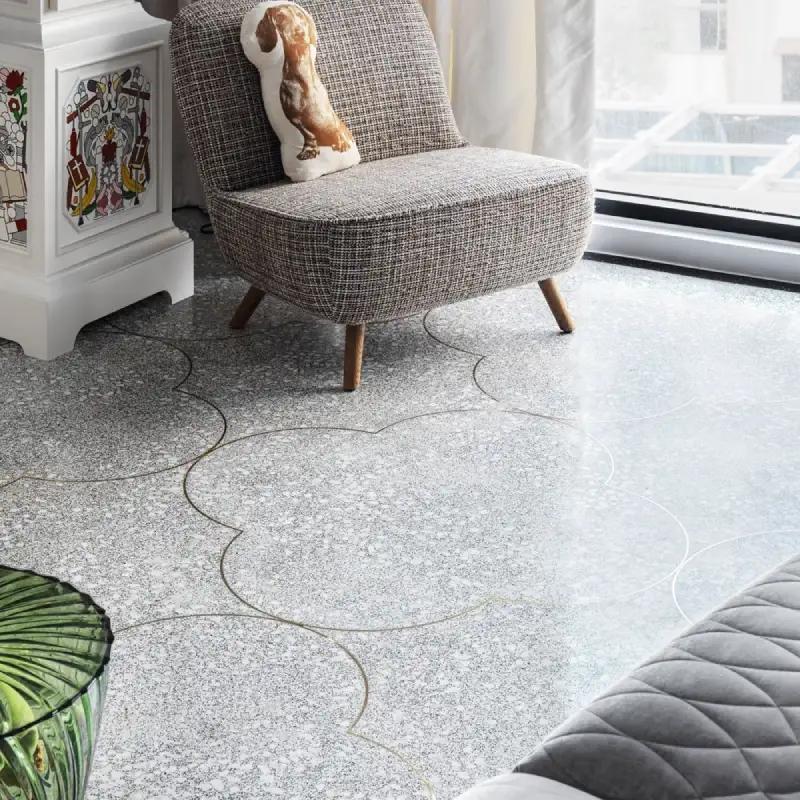
In contemporary construction, terrazzo systems are available in multiple formats, including tiles and resin-based installations. These options provide flexibility for residential, commercial, and institutional spaces. Understanding how terrazzo works, how it compares with other materials, and how costs are influenced helps in making informed decisions for different project requirements.
Composition, Materials, and Manufacturing Process of Terrazzo Tiles
Terrazzo tiles are manufactured by combining decorative aggregates with a binding agent, then forming and curing the mixture into solid units. The aggregates determine the visual appearance, while the binder provides structural stability.
Common components include:
- Marble chips for traditional aesthetics
- Quartz and granite for enhanced durability
- Glass fragments for modern decorative effects
- Cement or resin binders depending on the system
The manufacturing process typically involves:
- Mixing selected aggregates with the binder
- Pouring the mixture into molds
- Compressing to remove air pockets
- Curing under controlled conditions
- Polishing the surface for a smooth finish
Terrazzo surfaces are known for their ability to create custom patterns and colors. This adaptability allows designers to achieve unique visual compositions in flooring projects. For more detailed product specifications and applications, information about terrazzo tiles dubai provides additional technical insights into available systems.
Because terrazzo tiles are prefabricated, installation can be more structured and predictable compared to poured systems. This makes them suitable for projects requiring uniform appearance and efficient installation processes.
How Resin Flooring Systems Are Designed and Installed Professionally
Resin-based flooring systems are seamless surface solutions designed for durability and performance. These systems are commonly used in environments requiring hygiene, chemical resistance, and structural strength.
One widely used system is resin flooring, which involves applying liquid resin over a prepared substrate. After curing, the resin forms a continuous, joint-free surface.
The design and installation process generally includes:
- Surface assessment and preparation
- Mechanical grinding or cleaning of the substrate
- Application of primer to improve adhesion
- Mixing and pouring resin materials
- Leveling the surface evenly
- Allowing adequate curing time
- Optional topcoat application for enhanced protection
Resin flooring systems can be customized in terms of thickness, texture, and finish. They may include anti-slip properties, chemical resistance, or decorative effects depending on project requirements.
Because the surface is seamless, it reduces the accumulation of dirt and bacteria, making it suitable for healthcare facilities, laboratories, commercial kitchens, and industrial areas. Proper installation is critical to ensure long-term performance and structural integrity.
Understanding Engineered Wood Structures and Their Layer Composition
Engineered wood flooring is designed with multiple layers that enhance stability and resistance to environmental changes. Unlike solid wood, engineered systems are constructed to reduce expansion and contraction caused by humidity variations.
Learn more about system applications and configurations through enginered wood, which explains structural features and usage contexts.
Typical engineered wood structure includes:
- Top veneer layer made of natural hardwood
- Core layers composed of plywood or high-density fiberboard
- Stabilizing bottom layer for balance
- Protective surface finish
This layered construction provides several advantages:
- Improved dimensional stability
- Compatibility with underfloor heating systems
- Enhanced resistance to warping
- Easier installation methods
Engineered wood is often chosen for residential interiors, offices, and areas where natural wood aesthetics are desired without compromising structural performance. Its design allows it to maintain appearance and durability in environments with moderate temperature fluctuations.
Detailed Guide to Calculating Terrazzo Flooring Cost Factors
Understanding cost factors is essential when evaluating flooring systems. The overall project investment depends on multiple technical and logistical elements rather than just material type.
Key factors influencing terrazzo-related expenses include:
- Type of material selected (tile or resin-based system)
- Surface preparation requirements
- Project size and complexity
- Design customization level
- Labor and installation techniques
- Finishing and polishing processes
For accurate planning, reviewing information about terrazzo flooring cost helps clarify how different variables affect overall project considerations.
Cost analysis typically includes:
- Assessment of existing substrate condition
- Determination of required repairs or leveling
- Selection of aggregate and binder types
- Installation method evaluation
- Maintenance expectations over time
Long-term performance should also be considered when evaluating overall value. Durable systems may require higher initial preparation but can offer extended service life with proper maintenance. Comparing performance characteristics ensures informed decision-making aligned with project goals.
Advantages and Limitations of Each Flooring Type Explained
Different flooring systems serve different purposes. Understanding their strengths and limitations helps in selecting the right solution.
Terrazzo Tiles
Advantages:
- High durability
- Decorative flexibility
- Long lifespan
- Easy cleaning surface
Limitations:
- Requires precise installation
- Can be heavier than alternative materials
- May need professional handling
Resin Flooring
Advantages:
- Seamless finish
- Strong chemical resistance
- Hygienic surface
- Customizable appearance
Limitations:
- Requires proper curing time
- Surface preparation is critical
- Sensitive to installation conditions
Engineered Wood
Advantages:
- Natural appearance
- Better stability than solid wood
- Suitable for various interiors
- Easier installation methods
Limitations:
- Requires humidity control
- Surface can be affected by heavy impact
- Maintenance necessary to preserve finish
Each system provides distinct benefits depending on usage environment, design preferences, and structural requirements.
Suitable Environments for Residential and Commercial Applications
Flooring systems must align with environmental conditions and functional demands. Terrazzo tiles, resin flooring, and engineered wood are widely used in various sectors.
Residential Spaces
- Living rooms and bedrooms
- Hallways and entryways
- Modern interior designs
- Renovation projects
Commercial Spaces
- Shopping centers
- Corporate offices
- Educational institutions
- Hospitality environments
Industrial and Specialized Areas
- Warehouses
- Manufacturing facilities
- Laboratories
- Healthcare environments
Resin systems are particularly useful in spaces requiring hygiene and resistance to moisture or chemicals. Terrazzo tiles are often selected for high-traffic public areas due to durability. Engineered wood is commonly used in interiors where comfort and aesthetics are priorities.
By understanding structural needs and environmental factors, property owners can choose flooring systems that balance performance and design requirements.
Conclusion
Terrazzo tiles and related flooring systems offer durable, versatile, and visually appealing solutions for modern construction projects. Whether selecting tile-based systems, seamless resin surfaces, or engineered wood structures, understanding composition, installation methods, and performance characteristics is essential.
Evaluating material properties, environmental suitability, and cost factors ensures informed decisions for residential, commercial, and industrial applications. Each system provides unique advantages, and proper planning helps maximize long-term performance and structural reliability.
FAQs
What are terrazzo tiles made of?
Terrazzo tiles are made from aggregates such as marble, quartz, or glass combined with a binding material like cement or resin.
How does resin flooring compare to other systems?
Resin flooring provides a seamless, durable surface that is resistant to chemicals and moisture, making it suitable for specialized environments.
What is engineered wood and how does it work?
Engineered wood consists of layered construction with a hardwood veneer on top and stabilizing core layers underneath for improved stability.
What factors influence terrazzo flooring cost?
Material type, surface preparation, design complexity, installation method, and project size all affect overall considerations.
Which flooring type is easiest to maintain?
Maintenance depends on usage, but resin systems are often considered easy to clean due to their seamless surface.
Where are these flooring options commonly used?
They are used in residential interiors, commercial buildings, healthcare facilities, educational institutions, and industrial environments.