
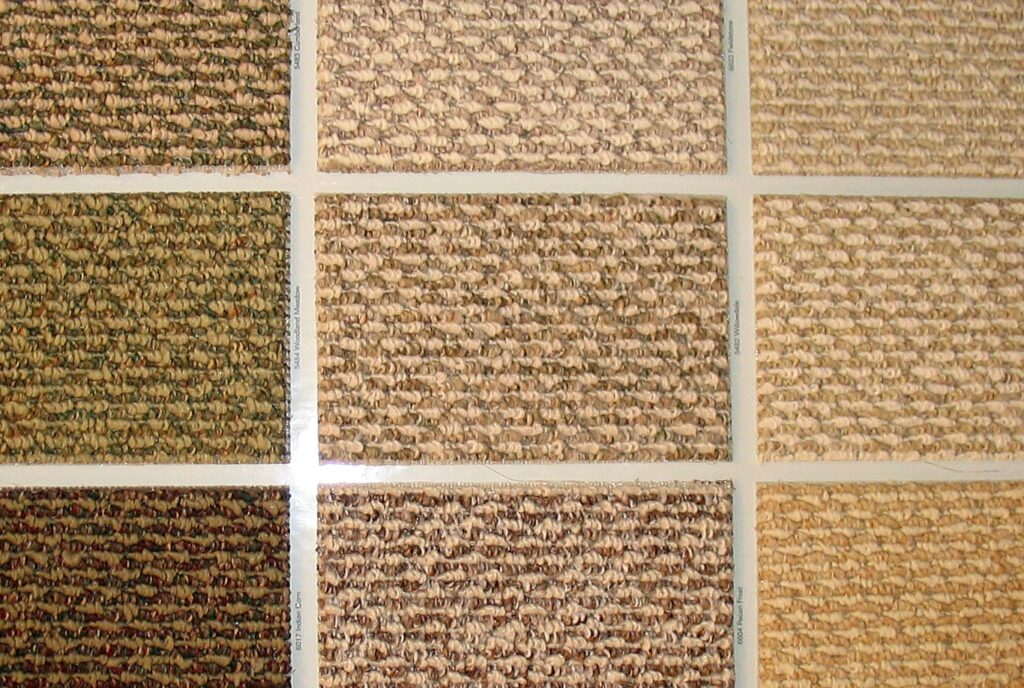
Berber carpet is a popular flooring style known for its durability, texture, and distinctive looped construction. It has been widely used in residential and commercial spaces due to its practical performance and versatile appearance. Understanding its structure, materials, and applications helps homeowners and designers choose the right flooring solution for different environments.
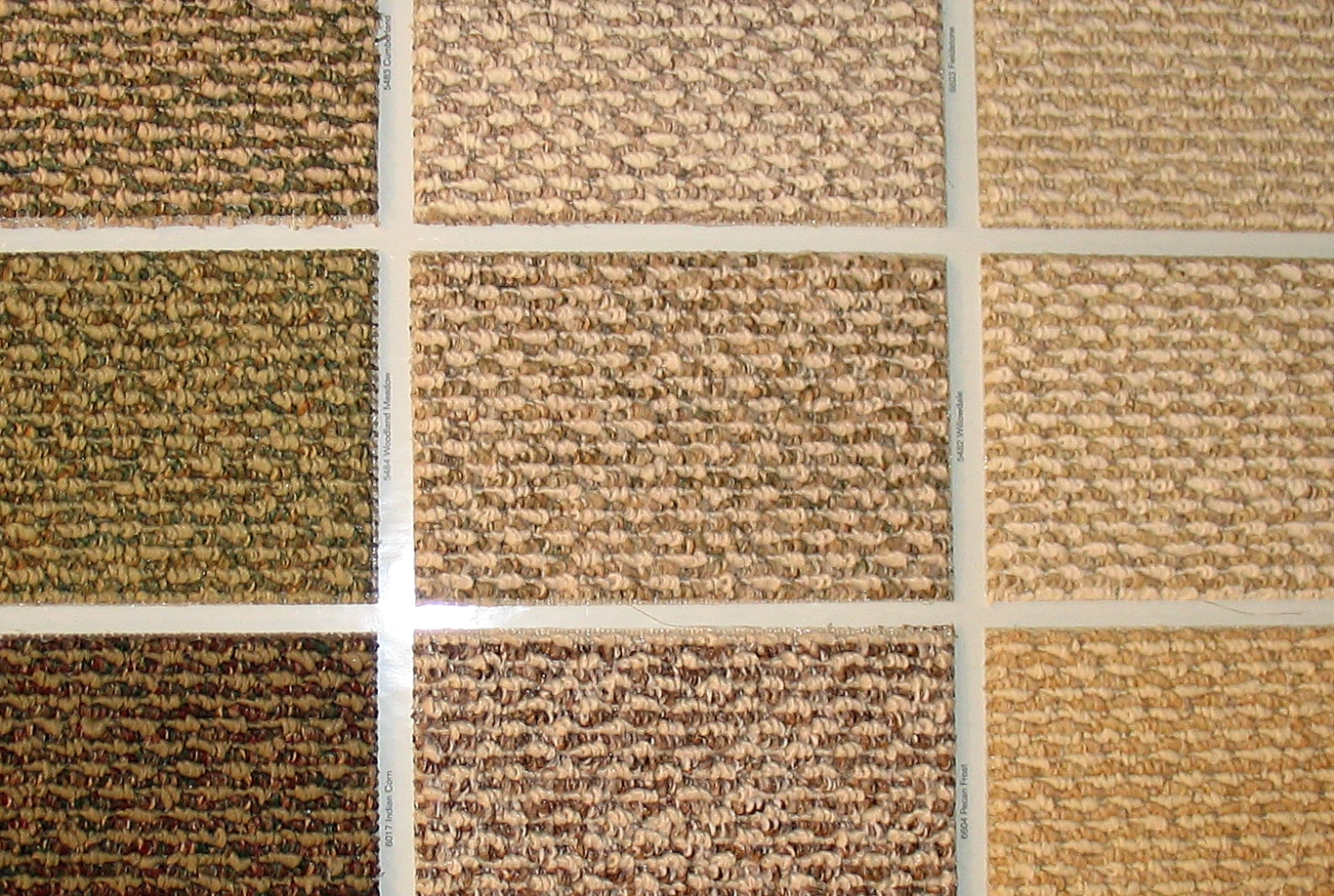
In modern interior design, Berber-style flooring is often selected for high-traffic areas because of its resistance to wear and its ability to maintain appearance over time. It can also complement other flooring systems, including advanced subfloor preparations such as self leveling concrete, which ensures a smooth and stable base before installation.
This article explores the meaning, construction methods, advantages, maintenance requirements, and real-world uses of Berber carpet in detail.
Understanding the Meaning and Origin of Berber Carpet Styles
Berber carpet refers to a loop-pile carpet style inspired by traditional weaving techniques associated with North African craftsmanship. The term describes the structure rather than a specific material. Over time, the style evolved into a modern flooring category characterized by tight loops and dense fiber construction.
Historically, the design was valued for practicality and simplicity. Modern manufacturing has refined the style using synthetic and blended fibers to improve durability and stain resistance. Today, Berber carpets are widely used in homes, offices, and commercial buildings because they balance comfort and performance.
The defining feature of this flooring style is its looped texture, which contributes to its strength and resilience. Unlike cut-pile carpets, the fibers remain uncut, reducing visible wear patterns and helping maintain a consistent surface appearance.
Key Materials and Weaving Techniques Used in Berber Carpets
Berber carpets are typically made from durable fibers such as:
- Olefin (polypropylene)
- Nylon
- Wool blends
- Polyester
Each material offers specific performance benefits. For example, nylon is known for strength and resilience, while olefin provides moisture resistance. Wool, though less common in modern commercial settings, offers natural comfort and insulation properties.
The weaving technique involves creating continuous loops that are tightly packed together. This construction method enhances durability and reduces fiber flattening. Because of its structure, the surface remains stable under heavy foot traffic.
In some modern renovation projects, subfloor preparation is critical before installing Berber carpet. Proper leveling ensures long-term stability, especially when combined with flooring systems such as epoxy flake flooring, which is often used in commercial spaces as an alternative durable surface option.
Main Characteristics That Define Berber Carpet Construction
Several structural features distinguish Berber carpets from other carpet types:
- Looped fiber design: The fibers are not cut, creating a textured surface.
- Dense pile construction: Tight loops increase resistance to crushing.
- Neutral color patterns: Often features speckled or multi-tonal designs.
- High durability: Suitable for high-traffic areas.
- Low maintenance appearance: Hides dirt and footprints effectively.
The loop construction also contributes to sound absorption and thermal insulation. This makes Berber carpet suitable for offices, living rooms, hallways, and commercial environments.
In renovation projects, professionals may prepare the surface with advanced flooring systems like terrazzo floor epoxy when transitioning between flooring types or designing layered interior solutions.
Common Uses of Berber Carpets in Home and Office Spaces
Berber carpets are commonly installed in:
- Living rooms
- Bedrooms
- Hallways
- Office spaces
- Reception areas
- Retail environments
In residential properties, they provide comfort while maintaining durability. In commercial buildings, they withstand continuous foot traffic without losing structural integrity. Their subtle design patterns also help conceal stains and minor imperfections.
Because of their performance characteristics, Berber carpets are often selected for apartments, rental properties, and professional environments where long-term reliability is important.
The versatility of this flooring style allows it to integrate well with various architectural themes, from minimalistic interiors to traditional designs.
Advantages and Potential Limitations of Berber Carpet Flooring
Advantages
- High resistance to wear and tear
- Cost-effective durability
- Easy to maintain appearance
- Good insulation properties
- Noise reduction benefits
- Suitable for high-traffic areas
The looped structure makes it more resistant to flattening compared to many cut-pile alternatives. It maintains a consistent look even in busy environments.
Potential Limitations
- Looped fibers may snag under sharp objects
- Some styles may feel less soft than plush carpets
- Installation requires proper subfloor preparation
When installed correctly over a smooth and stable base such as professionally leveled concrete, performance improves significantly. Proper foundation preparation is essential in ensuring longevity and preventing surface irregularities.
How to Maintain and Clean Berber Carpet for Long Term Use
Maintenance plays an important role in preserving appearance and performance. The following steps help extend its lifespan:
- Regular vacuuming: Removes dust and debris from loops.
- Immediate stain treatment: Prevents permanent discoloration.
- Professional deep cleaning: Recommended periodically.
- Avoiding excessive moisture: Protects fiber structure.
- Using protective pads: Reduces pressure in high-traffic areas.
Because the looped surface can trap small particles, consistent cleaning is essential. However, its dense construction makes it relatively easy to maintain compared to more delicate carpet styles.
When used in environments with advanced flooring systems nearby, such as epoxy-based installations, proper transition planning ensures smooth integration between different surfaces.
Conclusion
Berber carpet is a durable, versatile flooring solution designed for both residential and commercial environments. Its looped construction, material flexibility, and performance benefits make it suitable for high-traffic areas while maintaining aesthetic appeal. Understanding its structure, maintenance needs, and installation considerations helps ensure long-term satisfaction.
When paired with proper subfloor preparation and complementary flooring systems, Berber carpet can deliver stability, comfort, and efficiency in modern interior design projects.
FAQs
What is a Berber carpet and how is it constructed?
Berber carpet is a loop-pile flooring style made with continuous fiber loops. Its construction enhances durability and resistance to wear.
What materials are commonly used in Berber carpets?
Common materials include nylon, olefin, polyester, and wool blends, each offering different performance characteristics.
Where can Berber carpets be installed effectively?
They are suitable for living rooms, bedrooms, offices, hallways, retail spaces, and other high-traffic environments.
How durable is Berber carpet compared to other options?
Due to its dense loop construction, it is generally more resistant to crushing and visible wear than many cut-pile carpets.
How should Berber carpet be cleaned and maintained?
Regular vacuuming, prompt stain treatment, periodic deep cleaning, and moisture control are recommended to maintain its condition.