
Interior flooring experiences constant stress from foot traffic, furniture movement, moisture exposure, and everyday wear. Choosing materials capable of handling these conditions is essential for maintaining both appearance and structural performance over time.
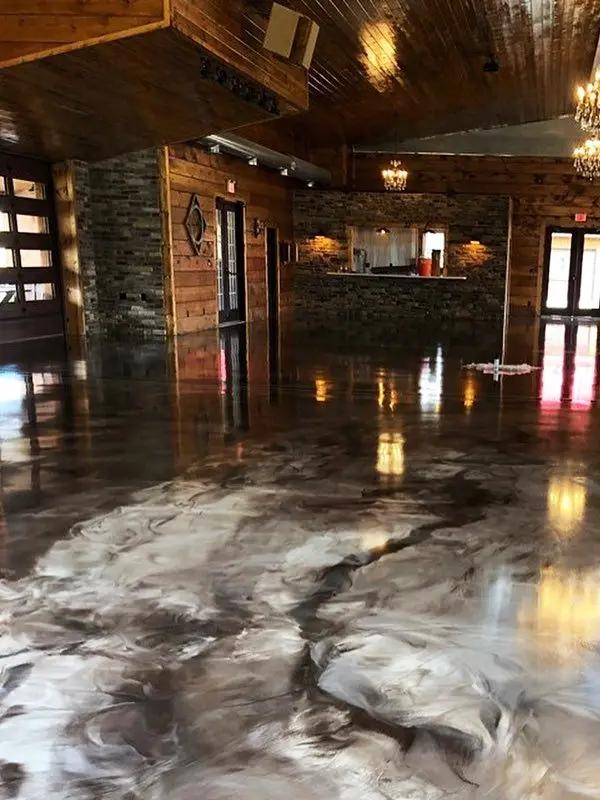
Epoxy flooring has become widely recognized for its strength, seamless finish, and ability to withstand demanding environments. Alongside vinyl and wooden flooring systems, epoxy surfaces contribute to practical and durable interior spaces in residential and commercial buildings.
Understanding How Resin-Based Flooring Systems Resist Daily Surface Damage
Resin-based flooring systems are designed to create a protective layer over concrete or other structural surfaces. These coatings form a hard, durable finish that resists cracking, abrasions, and stains.
Many property owners researching epoxy flooring are interested in how these surfaces maintain durability under frequent use.
Several characteristics contribute to epoxy strength:
- High resistance to impact damage
- Protection against chemical spills
- Reduced dust accumulation
- Seamless surface structure
- Strong adhesion to prepared concrete
These properties make epoxy suitable for garages, warehouses, hospitals, and modern residential interiors.
Why Vinyl Flooring Remains Popular in Residential and Commercial Interiors
Vinyl flooring remains popular because it balances comfort, affordability, and durability. Modern vinyl surfaces are available in various textures and designs that imitate wood, stone, and ceramic finishes.
People exploring dubai vinyl flooring often focus on its practical advantages in both homes and offices.
Important benefits include:
- Water resistance
- Softer walking surface
- Easier installation processes
- Noise reduction qualities
- Simple cleaning requirements
Vinyl flooring is especially useful in areas exposed to moisture, such as kitchens and utility spaces.
Factors That Influence Long-Term Wooden Flooring Durability and Performance
Wooden flooring provides warmth and natural beauty, but its durability depends on several environmental and structural factors.
Those researching wooden flooring price frequently compare durability expectations alongside visual appeal.
Key durability factors include:
Wood Species
Different wood species vary in hardness and scratch resistance.
Protective Finishes
Surface coatings help reduce moisture penetration and wear.
Humidity Control
Excess humidity may cause expansion or warping.
Installation Quality
Incorrect installation can reduce structural stability.
Maintenance Habits
Regular cleaning and protective measures extend lifespan.
When maintained properly, wooden floors can remain functional and visually attractive for many years.
How Seamless Flooring Surfaces Improve Hygiene and Cleaning Efficiency
Seamless flooring systems are easier to clean because they contain fewer joints, cracks, and grout lines where dirt can accumulate.
This makes seamless surfaces valuable in:
- Healthcare facilities
- Food preparation areas
- Educational buildings
- Commercial kitchens
- Residential interiors
Epoxy flooring is particularly beneficial in environments where hygiene standards are important. Its smooth finish prevents dust buildup and simplifies routine maintenance.
Seamless surfaces also improve visual consistency, making interiors appear more organized and modern.
Common Misconceptions About Protective Floor Coatings and Surface Lifespan
Many people assume all floor coatings provide identical durability. In reality, performance depends on preparation quality, coating thickness, environmental exposure, and maintenance practices.
Common misconceptions include:
- Thick coatings never require maintenance
- All coatings resist chemicals equally
- Surface appearance guarantees durability
- Coatings permanently prevent damage
- Installation quality has little impact
Understanding these misconceptions helps property owners make informed flooring decisions.
The Role of Surface Preparation Before Installing Modern Flooring Materials
Surface preparation is one of the most important stages of flooring installation. Even high-quality materials may fail if the substrate is uneven, contaminated, or structurally unstable.
Proper preparation typically includes:
- Cleaning surface contaminants
- Repairing cracks and damage
- Removing moisture problems
- Leveling uneven areas
- Applying primers when necessary
This process ensures strong adhesion and reduces the risk of future flooring issues.
How Interior Flooring Choices Affect Comfort and Acoustic Performance
Flooring materials significantly influence indoor comfort levels. Soft flooring systems often reduce noise and improve walking comfort, while harder surfaces may increase sound reflection.
Factors influencing comfort include:
- Material density
- Surface texture
- Thermal insulation
- Underlayment quality
- Flexibility under pressure
Vinyl flooring often provides quieter movement compared to tile or concrete surfaces. Wooden flooring also contributes to warmer and more natural interior acoustics.
Comparing Different Flooring Materials for High-Traffic Interior Spaces
High-traffic areas require materials capable of resisting wear without losing functionality or appearance.
Common flooring comparisons include:
| Flooring Type | Durability | Moisture Resistance | Maintenance |
| Epoxy | Very High | Excellent | Low |
| Vinyl | Moderate to High | Very Good | Easy |
| Wood | Moderate | Limited | Moderate |
| Tile | High | Good | Moderate |
The best flooring option depends on the intended use, environmental conditions, and long-term maintenance expectations.
Conclusion
Epoxy flooring continues to gain popularity because of its strength, seamless structure, and resistance to demanding interior conditions. Combined with vinyl and wooden flooring systems, it offers practical solutions for various residential and commercial applications.
Understanding how flooring materials respond to moisture, traffic, and maintenance helps create interiors that remain comfortable, durable, and visually appealing over time.
FAQs
Why is epoxy flooring resistant to heavy wear?
Epoxy forms a hard protective surface that resists impact, abrasion, and chemical exposure effectively.
What are the benefits of vinyl flooring in homes?
Vinyl flooring offers water resistance, comfort underfoot, easy cleaning, and versatile design options.
How long can wooden flooring last indoors?
Properly maintained wooden flooring can last for decades depending on wood type and environmental conditions.
Which flooring option requires less maintenance?
Epoxy and vinyl flooring generally require less maintenance compared to natural wood surfaces.
Why is surface preparation important before flooring installation?
Proper preparation ensures strong adhesion, structural stability, and long-term flooring performance.