
Modern architecture increasingly favors smooth, seamless, and minimalist finishes that create clean visual continuity throughout interior and exterior spaces. Among the materials gaining attention in contemporary construction is micro concrete, a decorative surface coating known for its adaptability and modern appearance.
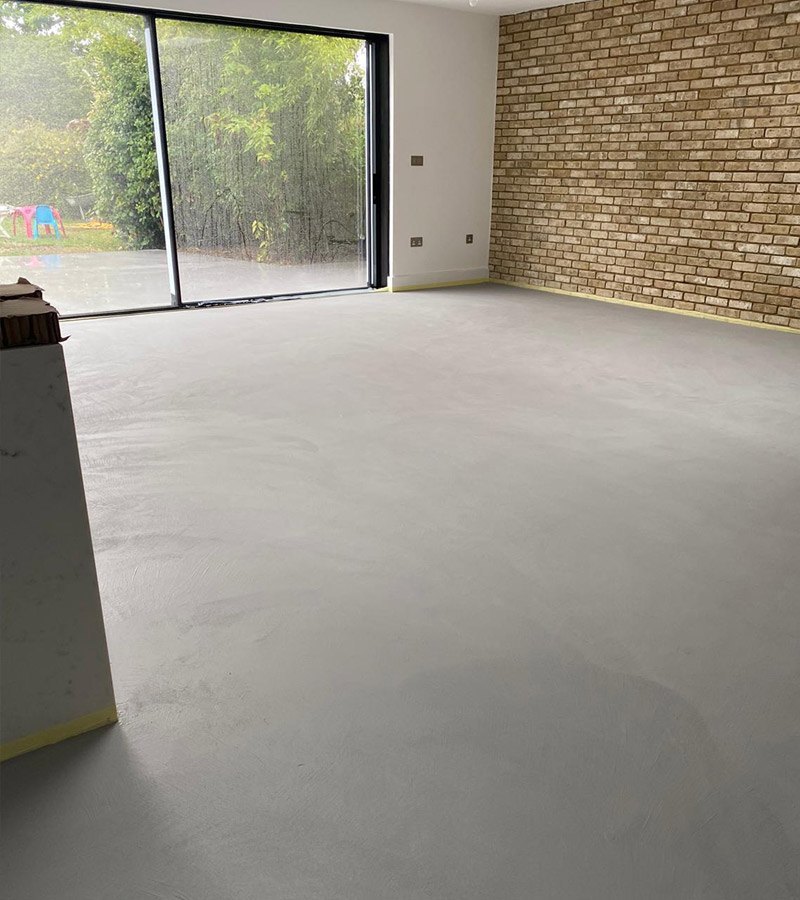
Micro concrete is commonly used in residential, commercial, and hospitality environments because it offers durability while maintaining a refined aesthetic. Combined with proper subfloor preparation and quality flooring systems, it contributes to visually cohesive and highly functional spaces.
Understanding the Core Composition of Decorative Concrete Surface Applications
Decorative concrete coatings are engineered to provide a thin yet durable finishing layer over existing surfaces. Micro concrete is made from a blend of cement, polymers, additives, and fine aggregates that create a smooth and highly adaptable finish.
Many architects and designers researching micro concrete appreciate its ability to cover walls, floors, countertops, and stairs without requiring complete structural replacement.
Its composition provides several advantages:
- Thin application thickness
- Seamless visual appearance
- Strong adhesion to prepared surfaces
- Compatibility with modern interiors
- Resistance to daily wear
The material can also be customized with different textures, finishes, and tones depending on design goals.
Why Self-Leveling Compounds Are Important Before Modern Flooring Installation
Before decorative flooring systems are installed, surfaces must often be corrected to ensure proper alignment and stability. Self-leveling compounds are widely used to smooth uneven subfloors and improve flooring performance.
Professionals examining self leveling materials understand that uneven surfaces can negatively affect both aesthetics and durability.
Self-leveling compounds help by:
- Filling depressions and surface irregularities
- Creating flat and stable foundations
- Improving adhesive bonding
- Reducing future flooring movement
- Enhancing installation precision
These materials are especially important beneath seamless coatings and floating flooring systems.
How Flooring Systems Influence Interior Design and Architectural Functionality
Flooring materials significantly shape the atmosphere and usability of interior environments. Surface finishes influence light reflection, acoustics, movement comfort, and overall spatial perception.
People researching dubai flooring often compare materials based on both appearance and functionality.
Modern flooring systems contribute to architecture by:
- Defining visual continuity
- Supporting minimalistic design styles
- Improving durability in high-traffic areas
- Enhancing indoor comfort
- Simplifying maintenance requirements
Micro concrete fits particularly well within contemporary interiors because it creates uninterrupted surfaces that visually expand spaces.
Key Advantages of Smooth Seamless Flooring Surfaces in Modern Buildings
Seamless flooring systems have become increasingly popular because they eliminate visible joints and grout lines.
Their advantages include:
- Easier cleaning procedures
- Reduced dirt accumulation
- Improved visual continuity
- Greater moisture resistance
- Modern architectural appearance
In commercial environments, seamless finishes can also improve hygiene standards by limiting spaces where contaminants collect.
Smooth flooring surfaces help create organized and uncluttered interiors that align with modern design preferences.
Common Surface Preparation Mistakes That Affect Flooring Durability Over Time
Improper preparation is one of the leading causes of flooring failure. Even durable materials may crack, detach, or deteriorate if applied over unstable substrates.
Common preparation mistakes include:
Ignoring Moisture Problems
Moisture trapped beneath flooring layers may weaken adhesion.
Uneven Surface Levels
Irregular surfaces create stress points and visible imperfections.
Poor Cleaning Before Installation
Dust and contaminants can interfere with bonding.
Weak Structural Substrates
Damaged concrete may not support decorative finishes effectively.
Inadequate Drying Time
Premature installation can compromise surface integrity.
Careful preparation significantly improves long-term flooring stability.
How Contemporary Flooring Materials Improve Residential Space Functionality
Modern flooring materials are selected not only for appearance but also for practical daily performance.
Contemporary flooring systems help improve:
- Cleaning efficiency
- Indoor durability
- Moisture resistance
- Acoustic comfort
- Design flexibility
Micro concrete surfaces, for example, are commonly used in kitchens, bathrooms, and living areas because they maintain visual consistency while remaining durable.
Their ability to transition smoothly between spaces helps create more open and connected interior layouts.
Comparing Traditional Concrete Finishes With Modern Decorative Alternatives
Traditional concrete surfaces are highly durable but often appear industrial and unfinished. Decorative alternatives such as micro concrete offer greater aesthetic versatility while maintaining many structural benefits.
Key differences include:
| Surface Type | Appearance | Thickness | Design Flexibility |
| Traditional Concrete | Industrial | Thick | Limited |
| Micro Concrete | Modern and Seamless | Thin | High |
| Polished Concrete | Reflective | Moderate | Moderate |
Modern decorative coatings allow designers to achieve refined interiors without extensive demolition or reconstruction.
Best Maintenance Practices for Polished and Seamless Interior Floor Surfaces
Proper maintenance helps preserve the appearance and structural quality of decorative flooring materials.
Helpful practices include:
- Sweeping regularly to remove dust
- Using gentle cleaning products
- Avoiding harsh chemical exposure
- Protecting surfaces from impact damage
- Cleaning spills quickly
Although seamless surfaces are relatively easy to maintain, periodic inspections help identify early signs of wear or moisture issues.
Consistent care improves both aesthetics and longevity.
Conclusion
Micro concrete has become a preferred material in contemporary architecture because it combines minimalistic aesthetics with practical durability. Its seamless appearance, adaptability, and compatibility with modern flooring systems make it suitable for a wide range of interior applications.
When paired with proper surface preparation and maintenance, micro concrete contributes to comfortable, visually cohesive, and highly functional living environments.
FAQs
What is micro concrete made from?
Micro concrete typically contains cement, polymers, additives, and fine aggregates that create a durable decorative coating.
Why are self-leveling materials used before flooring installation?
They create smooth, stable surfaces that improve flooring adhesion and installation accuracy.
How durable are seamless floor finishes?
Seamless finishes are highly durable when installed correctly and maintained properly.
Can decorative concrete be used in homes?
Yes, decorative concrete is commonly used in kitchens, bathrooms, living areas, and hallways.
What maintenance is required for modern concrete flooring?
Routine sweeping, gentle cleaning, and moisture control help maintain surface quality over time.