
Garage floors experience intense daily stress from vehicles, equipment, moisture exposure, and heavy storage loads. Unlike ordinary interior surfaces, garage flooring must withstand constant pressure while remaining safe and easy to maintain.
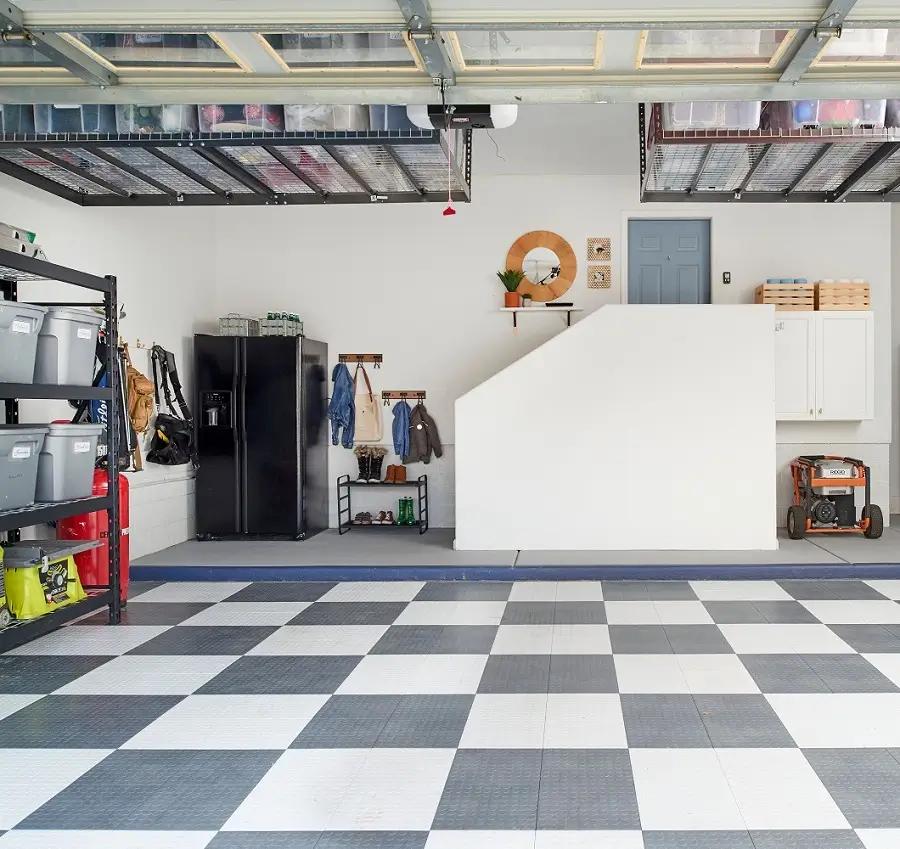
Protective flooring systems help extend the lifespan of concrete surfaces and improve overall functionality. Materials such as epoxy coatings, resin systems, and properly installed wood surfaces each contribute different advantages depending on the intended environment.
Understanding How Industrial Surface Coatings Resist Heavy Vehicle Pressure
Industrial floor coatings are engineered to protect structural surfaces from impact, abrasion, and chemical exposure. These coatings create a hardened layer that shields the concrete beneath from long-term deterioration.
Many property owners exploring garage flooring are interested in how surface coatings improve durability in vehicle storage areas.
Protective floor coatings help by:
- Reducing surface cracking
- Limiting oil and chemical penetration
- Improving cleaning efficiency
- Increasing abrasion resistance
- Enhancing surface longevity
These characteristics are especially valuable in garages exposed to constant tire pressure and equipment movement.
Why Resin-Based Flooring Systems Are Used in Commercial Interior Environments
Resin flooring systems are widely used in commercial environments because they create seamless, durable, and hygienic surfaces.
People researching resin flooring often focus on its resistance to moisture, stains, and surface wear.
Resin flooring systems are commonly found in:
- Warehouses
- Commercial kitchens
- Medical facilities
- Industrial workshops
- Parking structures
The seamless nature of resin coatings helps prevent dirt accumulation and simplifies cleaning procedures.
Their resistance to chemical spills also contributes to safer and more practical work environments.
Important Steps Involved in Professional Wooden Flooring Installation Methods
Wooden flooring installation requires careful planning and technical precision. Even visually appealing materials can develop structural problems if installed incorrectly.
Many homeowners studying wooden flooring installation seek to understand how installation methods influence long-term durability.
Important installation stages include:
Subfloor Inspection
The base surface must be dry, level, and structurally stable.
Moisture Testing
Humidity levels should be evaluated before installation begins.
Acclimatization
Wood materials require time to adjust to indoor conditions.
Proper Alignment
Accurate placement helps reduce movement and visible gaps.
Finishing and Sealing
Protective coatings help preserve appearance and durability.
Proper installation reduces the risk of expansion, warping, and structural instability.
How Moisture Resistance Improves Long-Term Garage Floor Surface Performance
Moisture is one of the most common causes of flooring deterioration in garages and utility areas.
Water exposure may result from:
- Vehicle runoff
- Humid conditions
- Cleaning activities
- Chemical spills
- Drainage problems
Moisture-resistant coatings create protective barriers that reduce absorption into concrete surfaces. This helps minimize cracking, staining, and structural damage.
Garage environments benefit greatly from flooring systems that resist both water penetration and temperature fluctuations.
Comparing Protective Flooring Materials for Residential and Industrial Garages
Different garage environments require different levels of surface protection.
Common flooring comparisons include:
| Flooring Type | Durability | Chemical Resistance | Maintenance |
| Epoxy Coating | Very High | Excellent | Easy |
| Resin Flooring | High | Very Good | Moderate |
| Bare Concrete | Moderate | Low | Difficult |
| Interlocking Tiles | Moderate | Good | Easy |
Choosing the appropriate flooring depends on traffic levels, environmental conditions, and intended garage usage.
Common Surface Damage Problems Found in High-Traffic Utility Areas
High-traffic utility spaces often experience significant flooring wear.
Common problems include:
- Surface cracking
- Abrasion from equipment movement
- Oil and chemical staining
- Moisture-related deterioration
- Tire marks and pressure damage
Without protective coatings, concrete surfaces may gradually weaken and become more difficult to maintain.
Regular inspections help identify minor issues before they develop into larger structural concerns.
How Installation Techniques Influence Flooring Lifespan and Structural Stability
Installation quality directly affects flooring performance. Even durable materials may fail prematurely if preparation and application procedures are incorrect.
Important installation considerations include:
- Surface cleanliness
- Adhesive compatibility
- Environmental conditions during installation
- Expansion allowances
- Proper curing time
Professional installation methods help improve bonding strength and long-term surface reliability.
Attention to detail during installation often determines how well flooring systems withstand years of use.
Best Practices for Maintaining Functional Flooring in Utility and Storage Spaces
Routine maintenance is essential for preserving garage flooring quality.
Helpful maintenance practices include:
- Sweeping away abrasive debris
- Cleaning oil spills quickly
- Avoiding harsh chemical exposure
- Monitoring moisture accumulation
- Inspecting surfaces for cracks regularly
Consistent care improves safety, appearance, and structural longevity.
Protective mats beneath heavy equipment can also reduce concentrated pressure on flooring surfaces.
Conclusion
Garage flooring requires durable surface protection because of constant exposure to weight, moisture, and abrasion. Protective coatings such as epoxy and resin flooring systems help extend surface lifespan while improving functionality and maintenance efficiency.
When combined with proper installation and regular care, durable flooring systems contribute to safer and more reliable utility environments.
FAQs
Why do garages require durable flooring systems?
Garage floors experience heavy vehicle pressure, moisture exposure, and chemical contact that can damage unprotected surfaces.
What are the advantages of resin flooring surfaces?
Resin flooring offers durability, seamless finishes, moisture resistance, and simplified cleaning.
How is wooden flooring professionally installed?
Professional installation involves surface preparation, moisture testing, acclimatization, alignment, and protective finishing.
Which flooring materials handle vehicle traffic best?
Epoxy and resin-based flooring systems are highly effective for heavy vehicle traffic areas.
How can garage flooring be protected from stains and damage?
Protective coatings, prompt cleaning, and regular maintenance help reduce long-term damage.